In-Flight Experience
WiFi, meals, seat selection, upgrades, turbulence
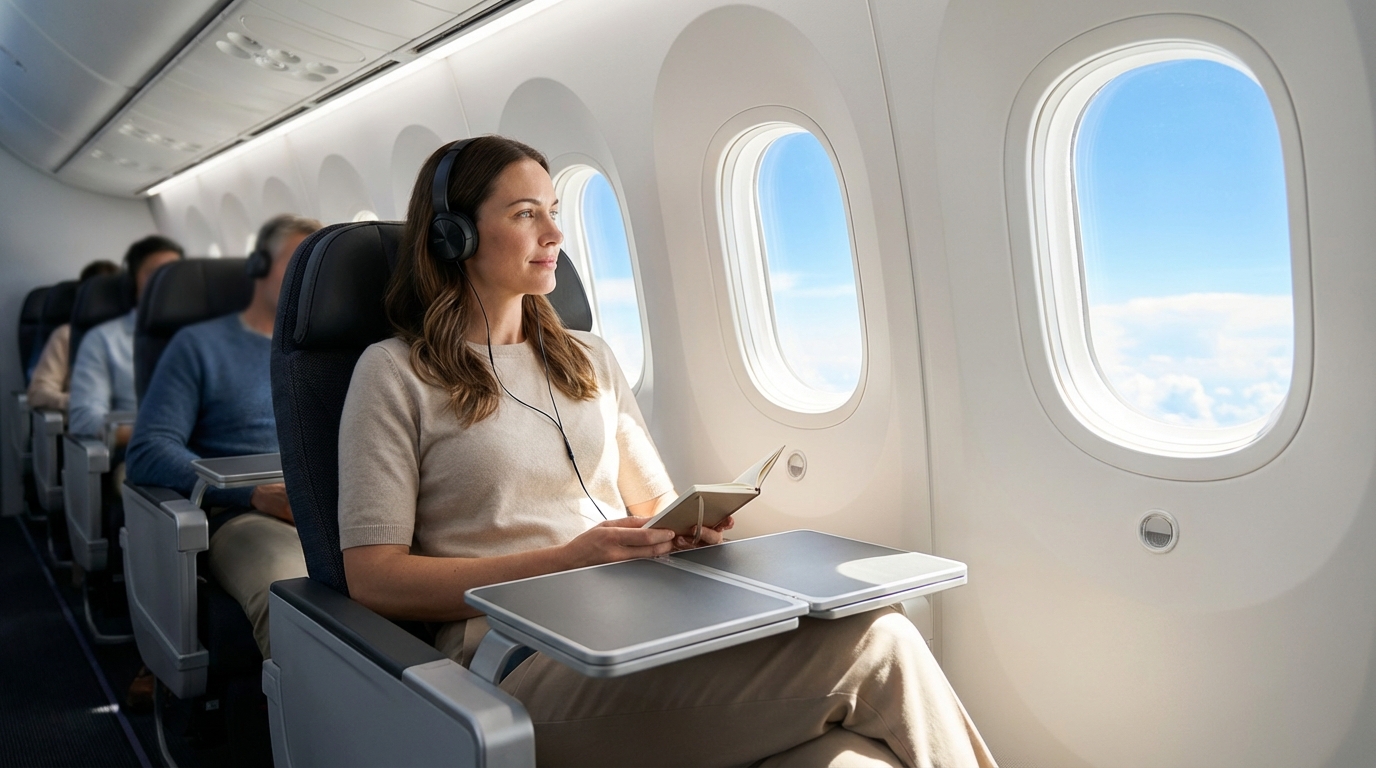
Are Plane Rides Scary? Conquering Your Fear of Flying
Plane rides feel scary to a lot of people — about 25 million Americans have some form of fear of flying. But here's the reality: flying is the safest form of long-distance travel. The odds of dying in a commercial plane crash are 1 in 11 million. Here's how to get your brain to believe what the numbers already prove.
Best Noise-Canceling Headphones for Flying
The right noise-canceling headphones make flying dramatically better. Here are the best options for every budget, tested specifically for airplane noise.
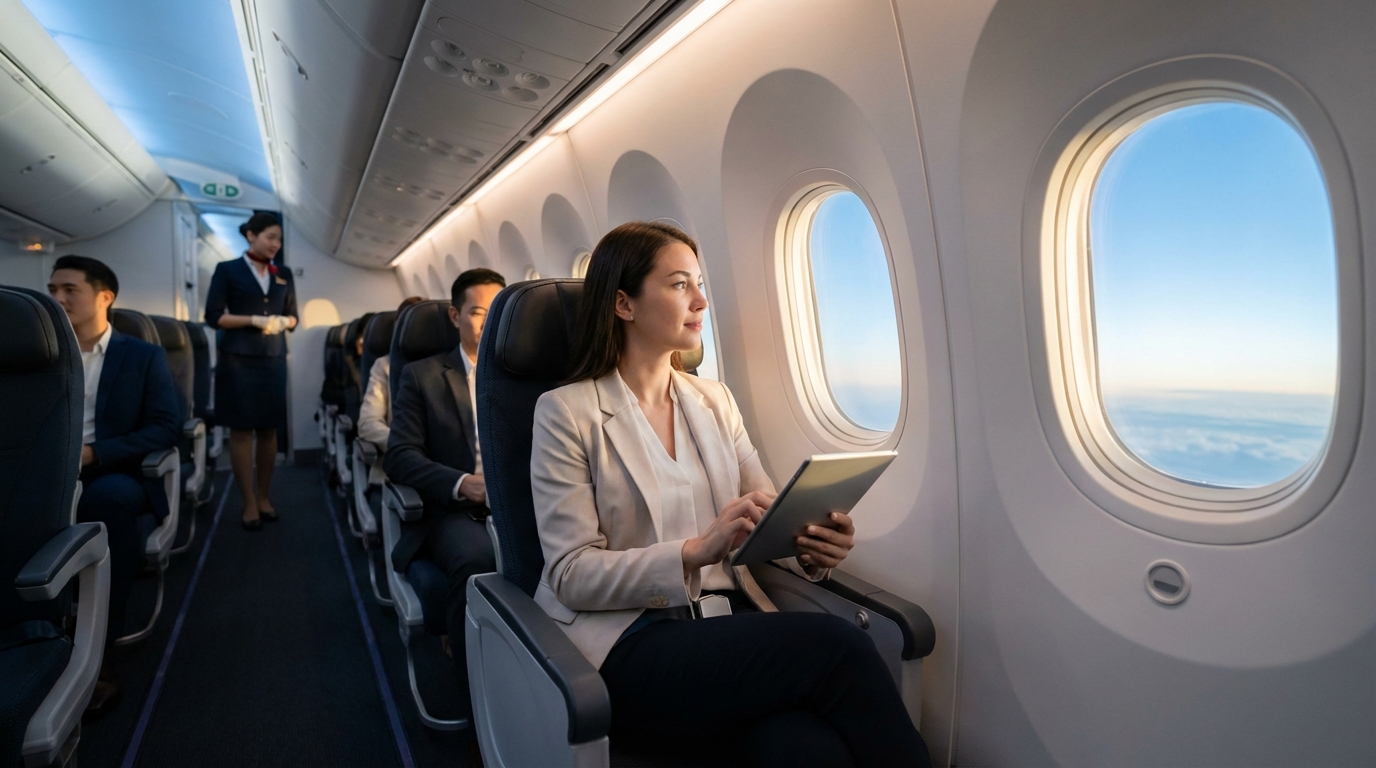
Best Time to Fly to Avoid Turbulence
Morning flights are smoother than afternoon flights. It's physics, not luck. Here's exactly when, where, and how to fly for the smoothest ride possible.
Best Travel Pillows for Flying
After comparing dozens of travel pillows, the Cabeau Evolution S3 stands out for overall comfort and support. But the best pillow for you depends on how you sleep -- side sleepers, front leaners, and back sleepers all need different designs.
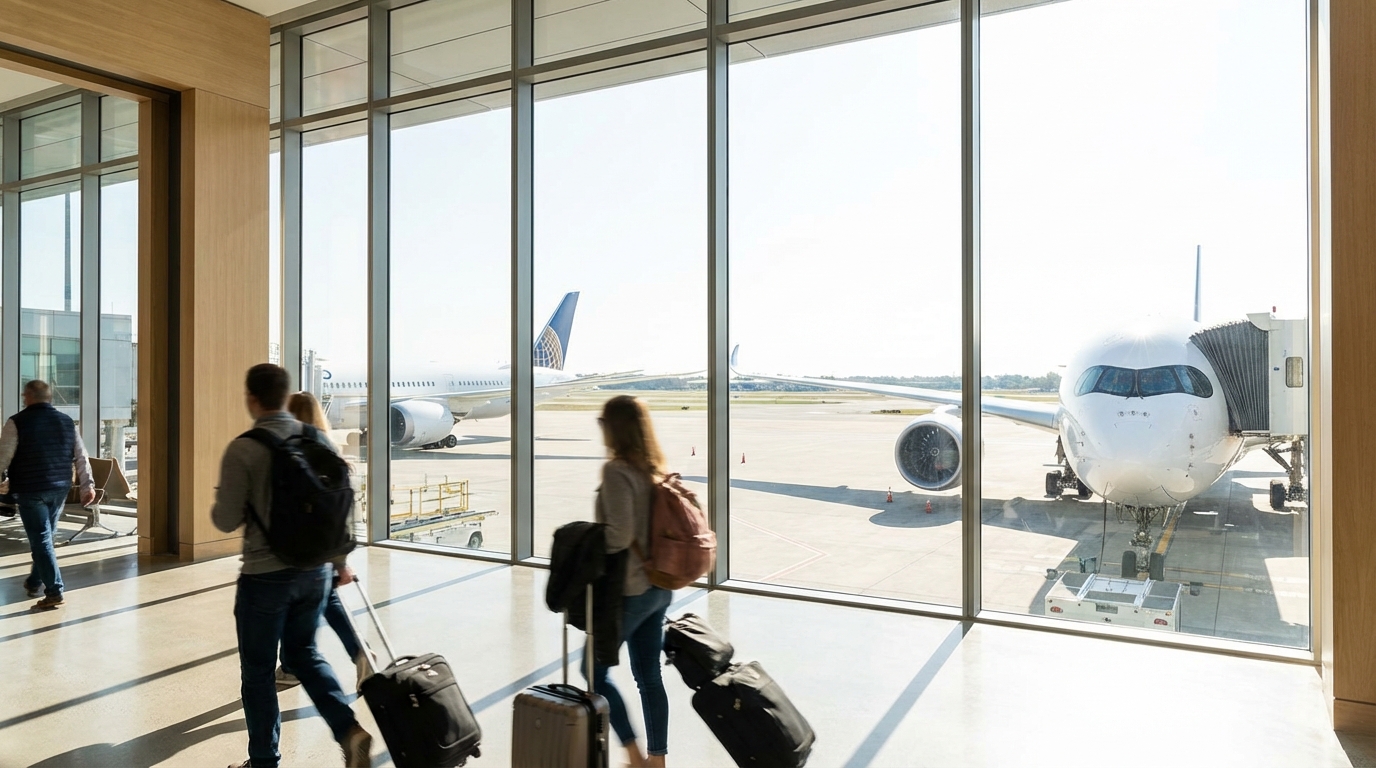
Boeing vs Airbus for Passengers: Does It Matter?
Most passengers never think about whether they're on a Boeing or Airbus. But the aircraft type affects your comfort more than you'd expect, especially on long flights.
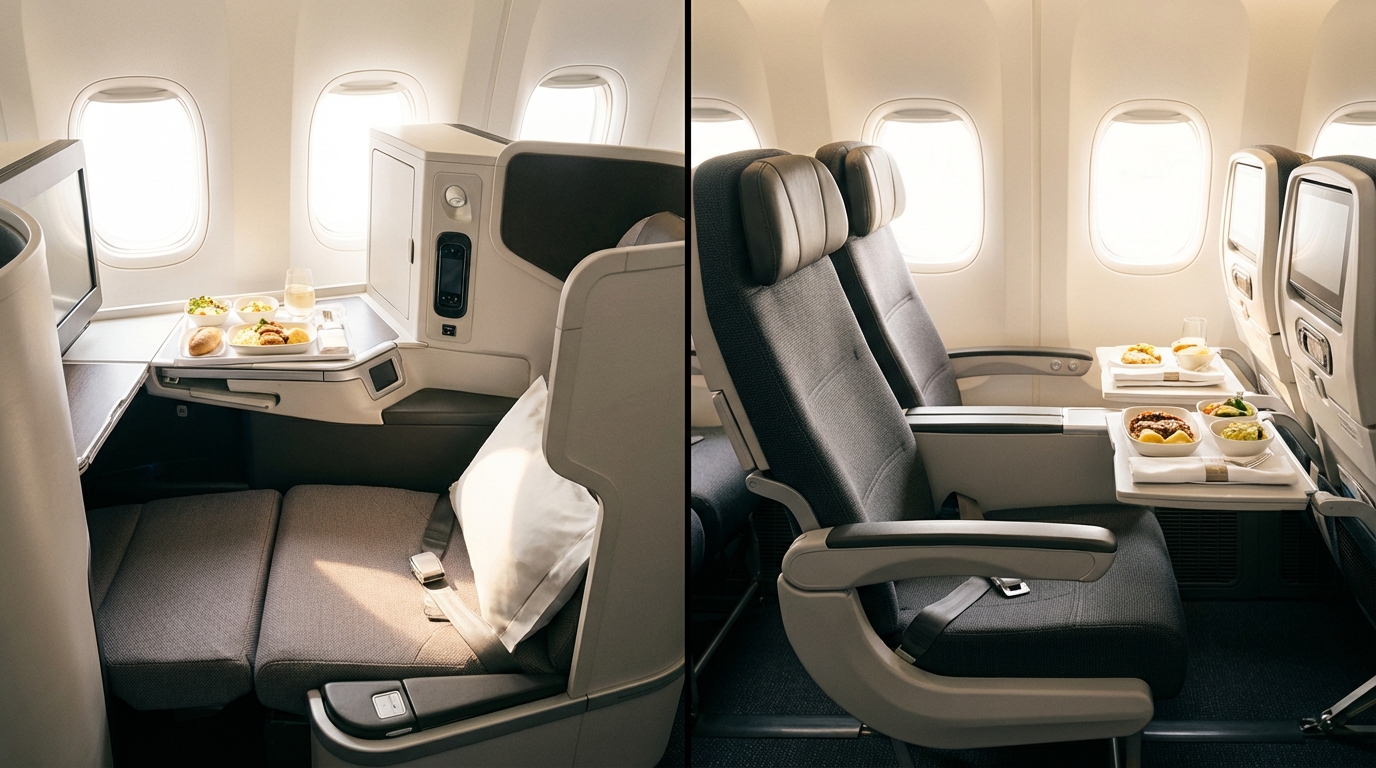
Business Class vs Premium Economy: Is It Worth It?
Premium economy costs about 1.5-2x economy. Business class costs 3-5x. The gap between them is massive in both price and product. Here's when business class is worth the splurge and when premium economy is the smarter play.

Can I Get Medication for Flight Anxiety?
Yes, your doctor can prescribe medication for flight anxiety. Options range from non-addictive antihistamines like hydroxyzine to benzodiazepines like Xanax. Here's what each one does, the pros and cons, and how to talk to your doctor about it.
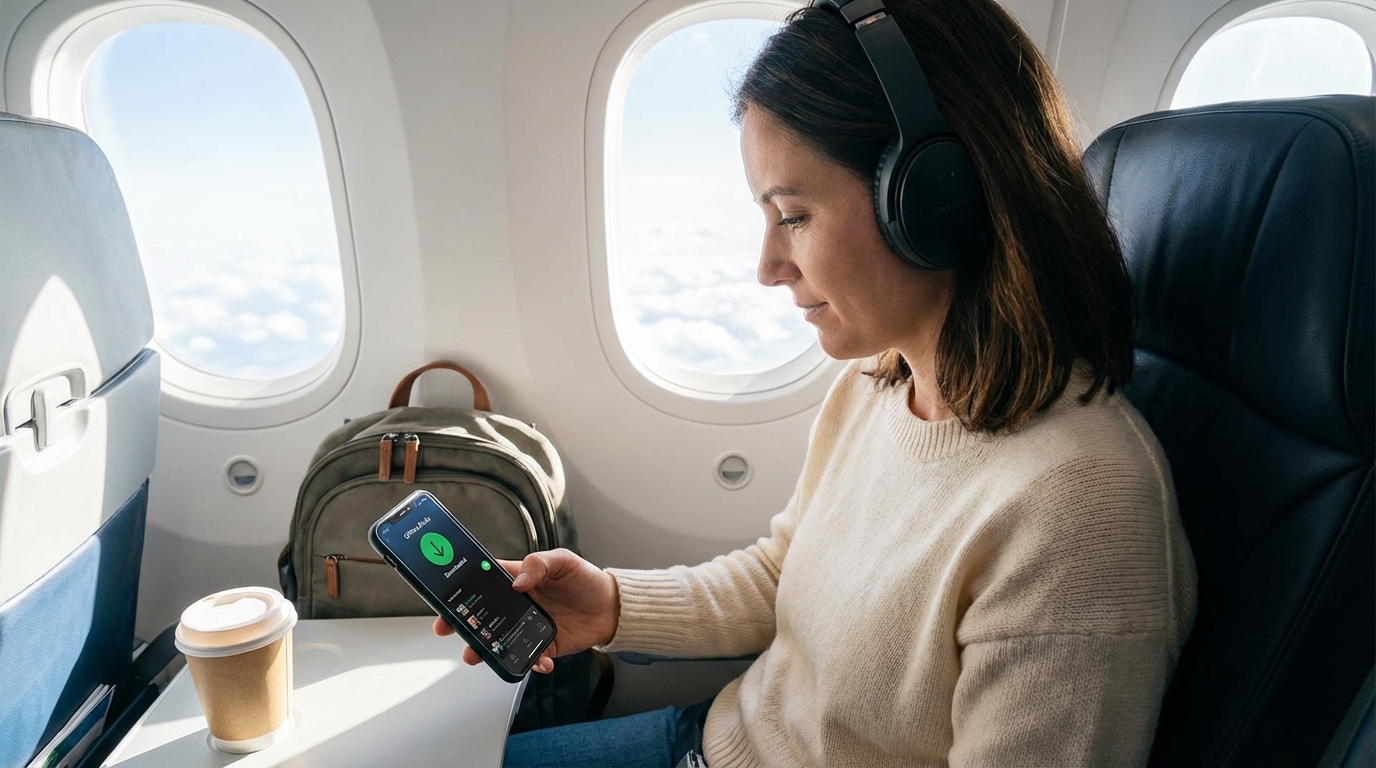
Can I Listen to Spotify on a Plane Without WiFi?
Yes, but only if you download your music before the flight. Spotify Premium lets you download up to 10,000 songs for offline listening. Free users can only download podcasts — not music. No WiFi needed once the songs are on your device.
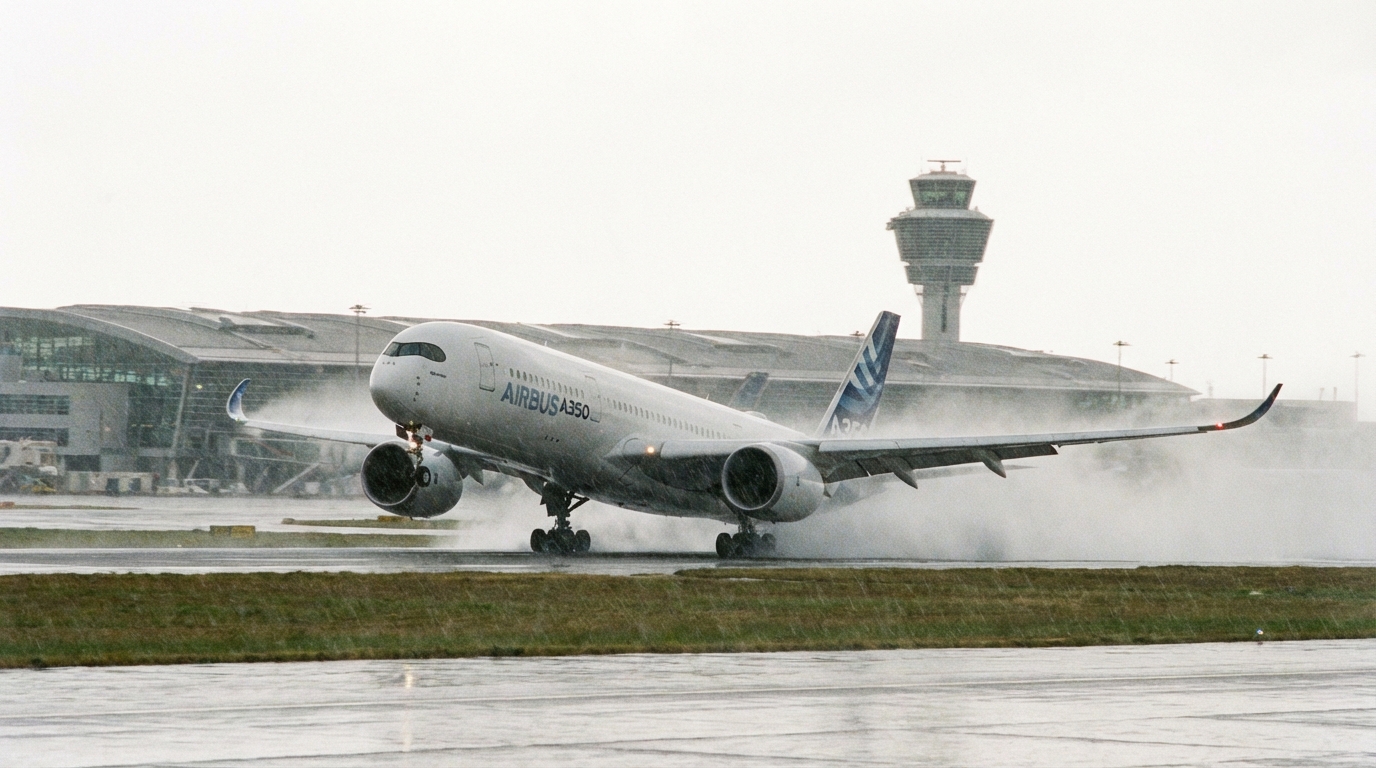
Can A Plane Take Off In The Rain?
Yes, planes take off in rain all the time. Rain alone almost never cancels a flight. It's the stuff that comes with heavy rain — thunderstorms, wind shear, freezing conditions — that causes delays and cancellations.
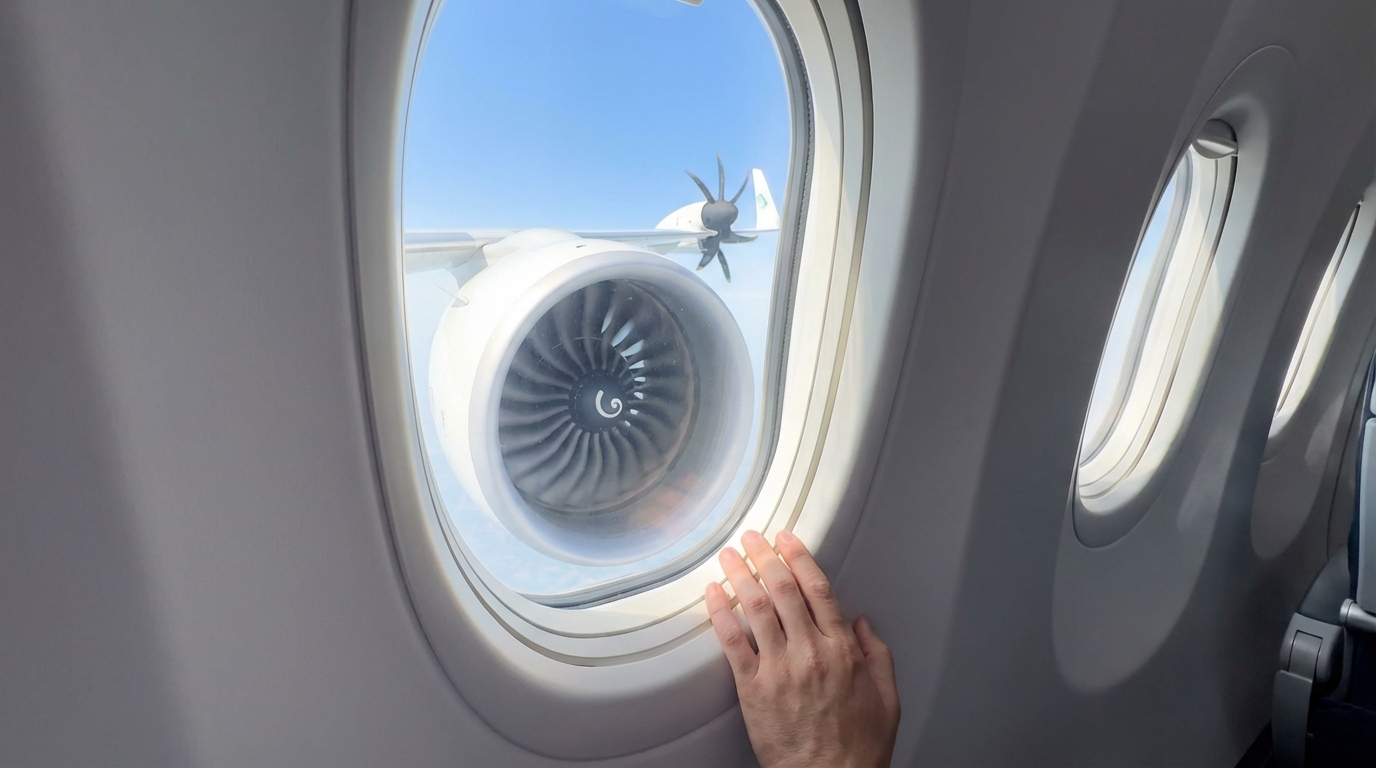
Can A Plane Fly On One Engine?
Yes, every modern commercial airplane can fly perfectly well on just one engine. In fact, twin-engine jets are specifically designed and rigorously tested to do exactly this. Planes can take off, climb, cruise, and land safely with a single engine — and pilots train for this scenario regularly.
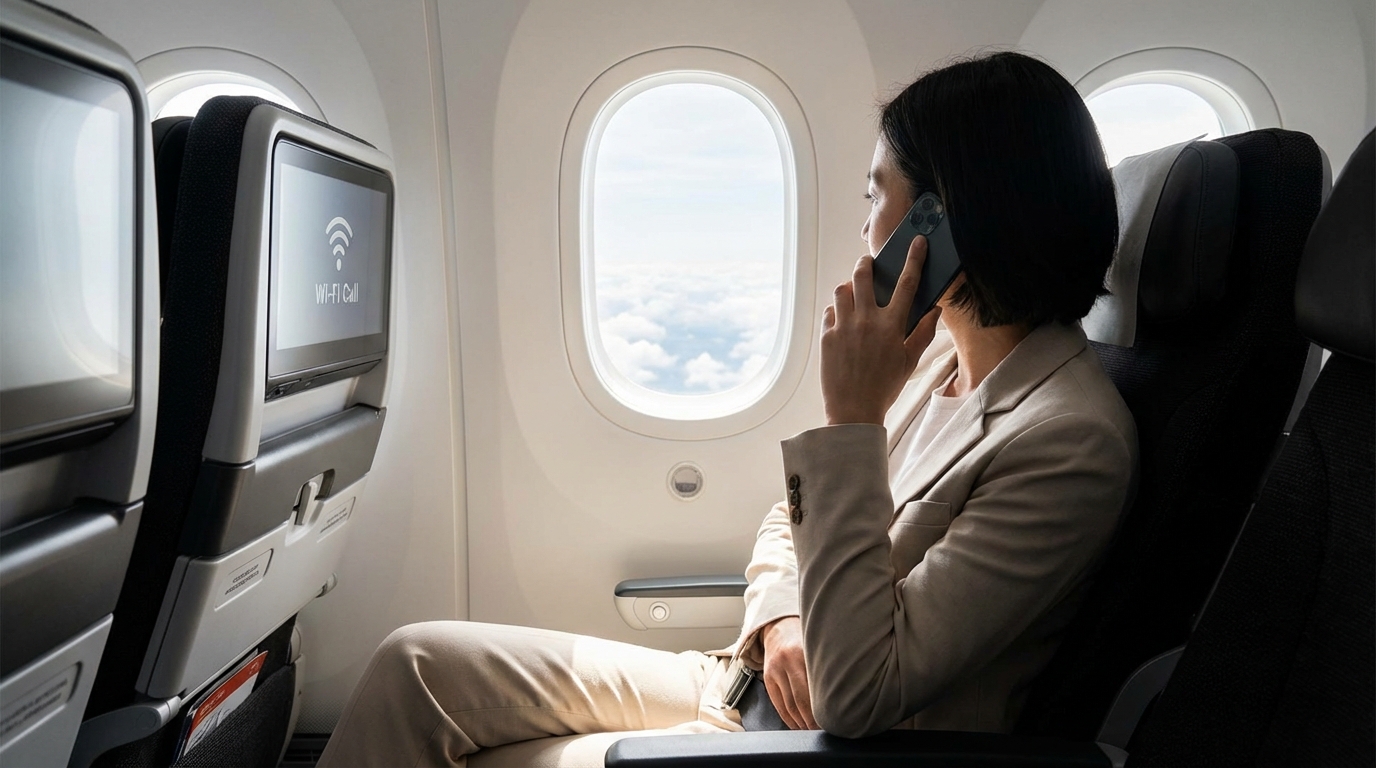
Can You Call On A Plane?
No, you can't make regular cell phone calls on a plane in the United States. The FCC bans it. But texting, WiFi messaging, and some forms of internet-based communication are allowed on most flights.
Can You Fly After Eye Surgery?
It depends entirely on the type of eye surgery. After LASIK, most people can fly within a day or two. After cataract surgery, usually within a week. But if your surgeon placed a gas bubble in your eye (common in retinal surgery), flying could cause serious damage — even blindness.

Can You Fly With a Concussion?
You should wait to fly after a concussion until your worst symptoms have subsided and a doctor has cleared you — especially to rule out brain bleeding. Most guidelines suggest waiting at least 48 hours, and some airlines recommend 10 days.
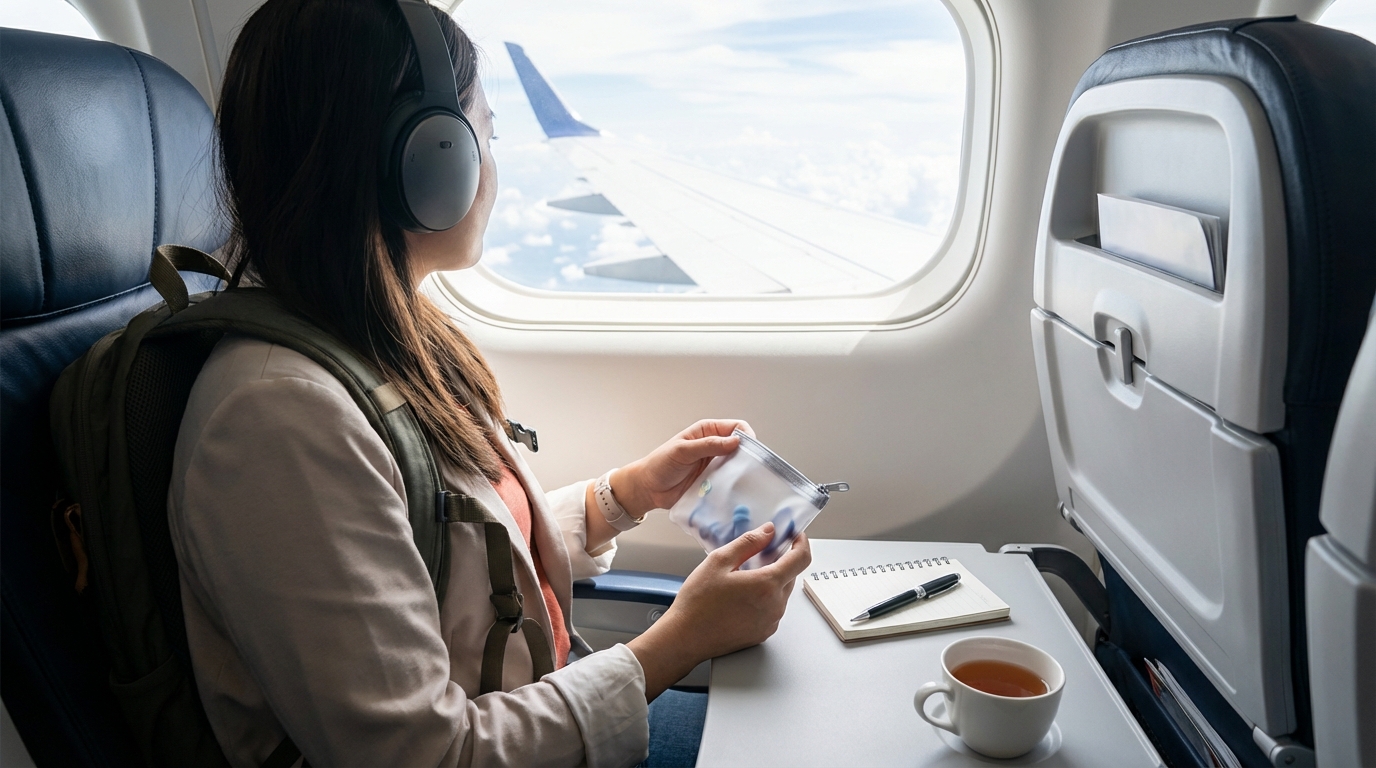
Can You Fly With A Perforated Eardrum?
Yes, you can usually fly with a perforated eardrum — and ironically, it often hurts less than flying with normal ears. The perforation allows air pressure to equalize more easily. But you should always check with your doctor first.
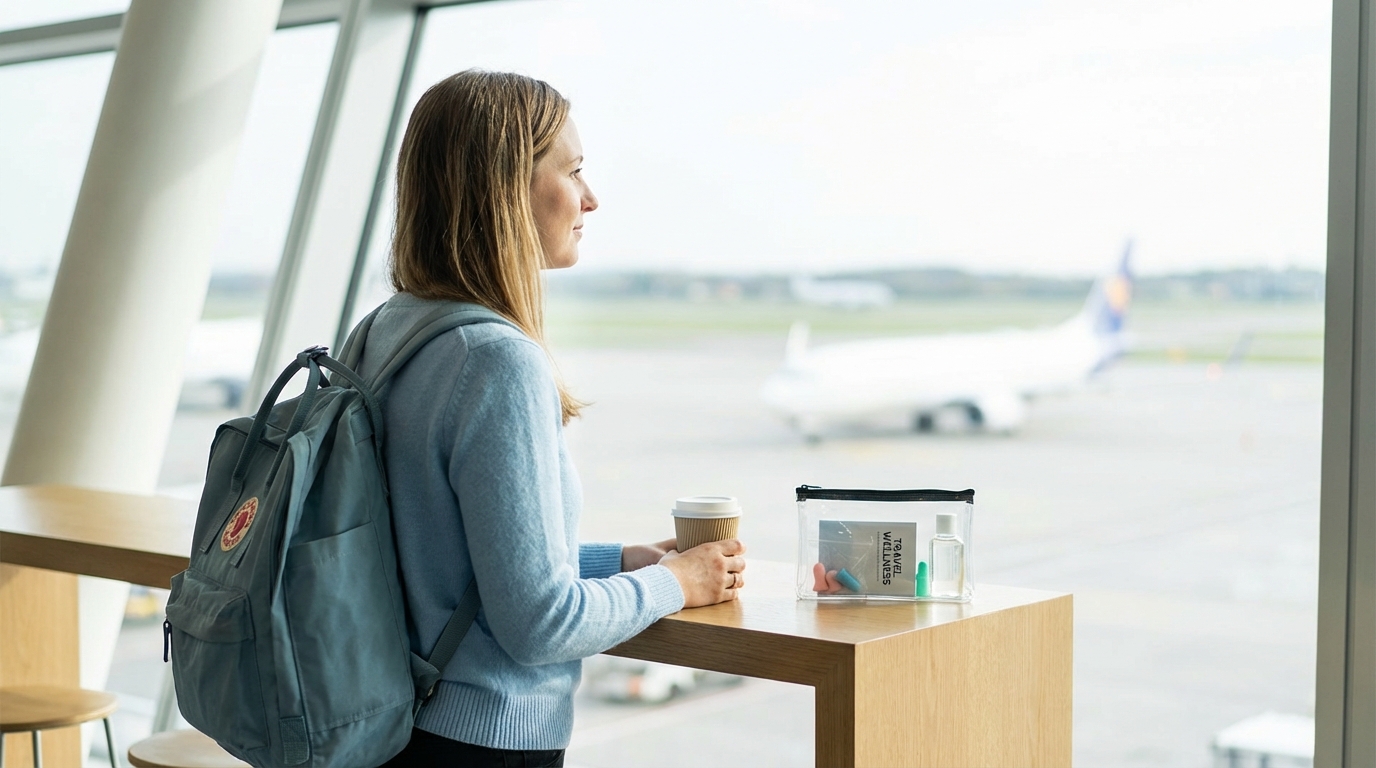
Can You Fly With An Ear Infection?
You can physically board a plane with an ear infection, but doctors strongly advise against it. The pressure changes during takeoff and landing can cause extreme pain, potential eardrum rupture, and prolonged recovery. If you must fly, decongestants and proper technique can help.
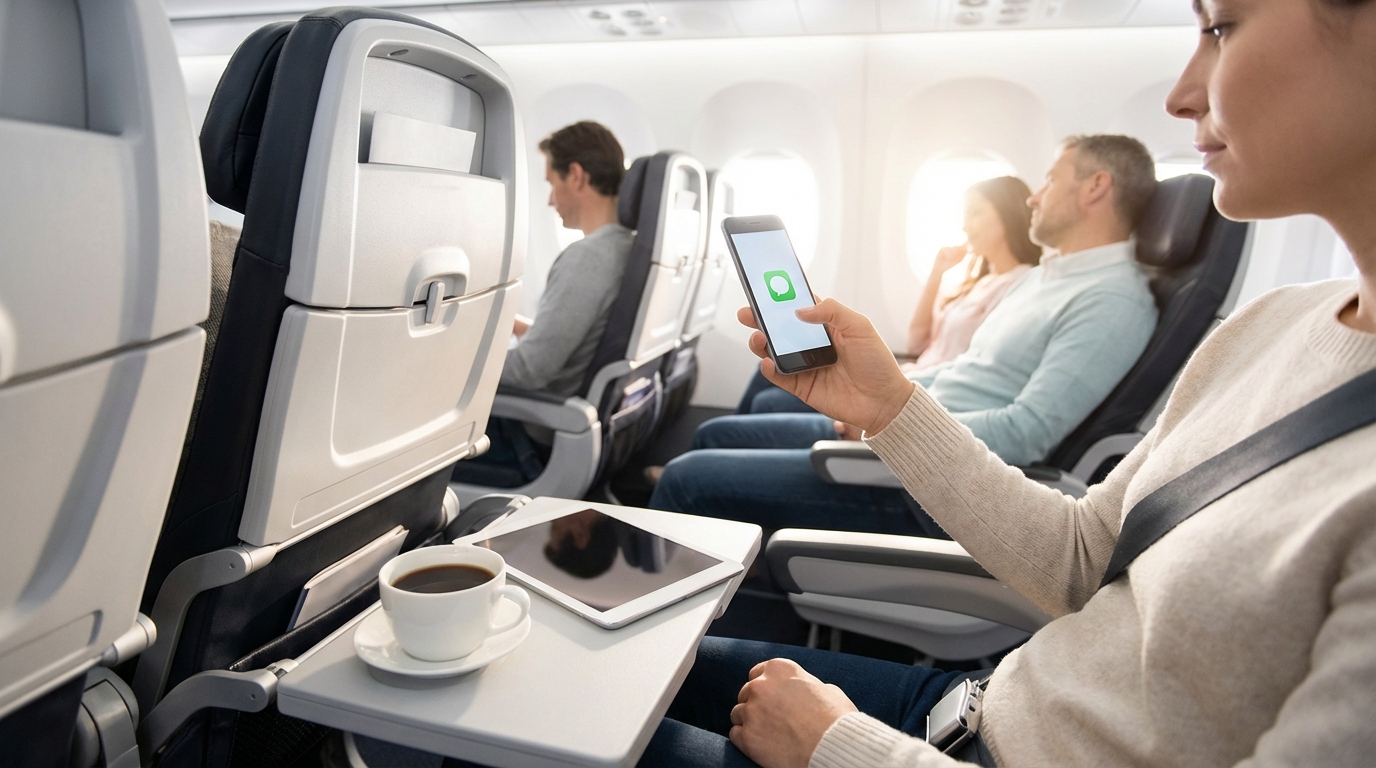
Can You Text From A Plane?
Yes, you can text from a plane. Most major U.S. airlines offer free WiFi-based messaging, letting you send iMessages, WhatsApp texts, and more without paying for full internet access. Regular SMS texts won't work in airplane mode, though.
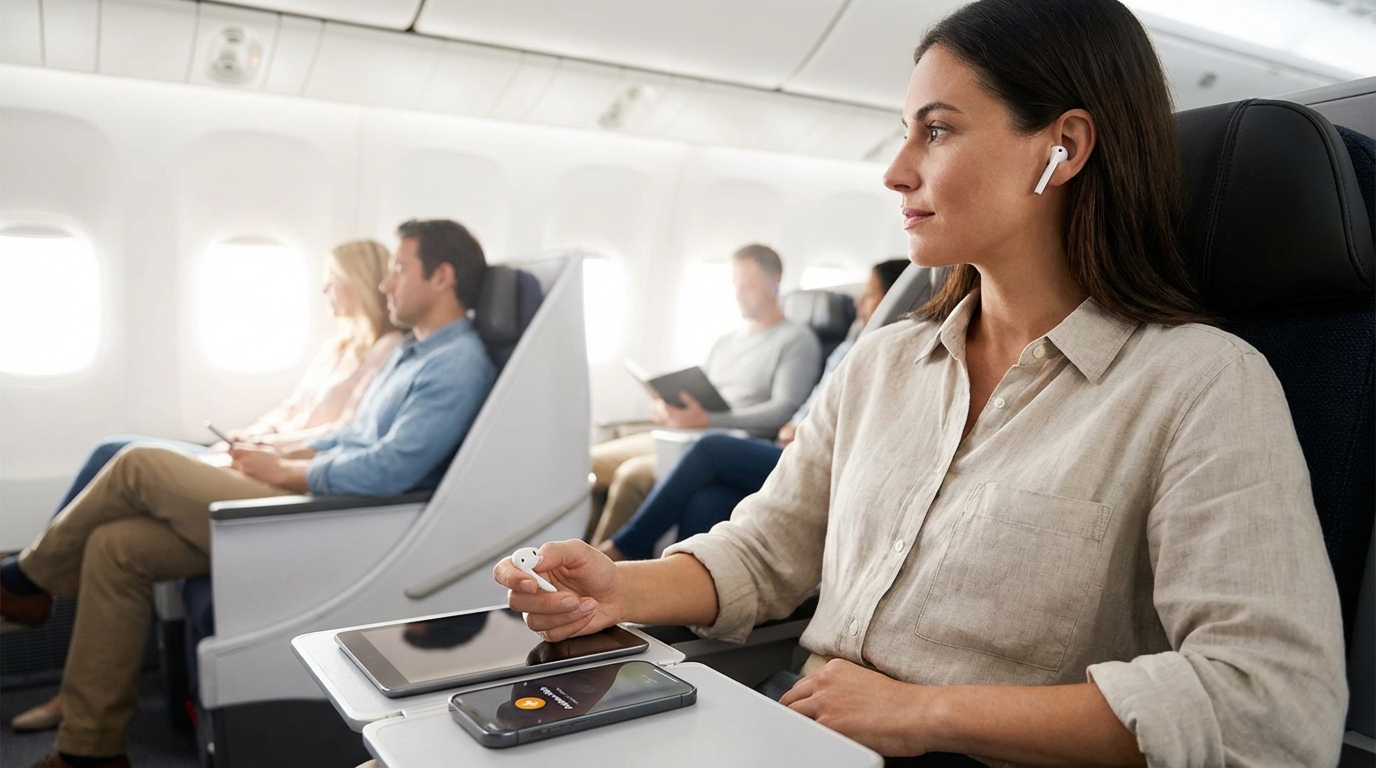
Can You Use AirPods On A Plane Without WiFi?
Yes, AirPods work on a plane without WiFi. AirPods connect to your phone via Bluetooth, which is completely separate from WiFi. Turn on airplane mode, re-enable Bluetooth, and your AirPods work exactly like they do on the ground.
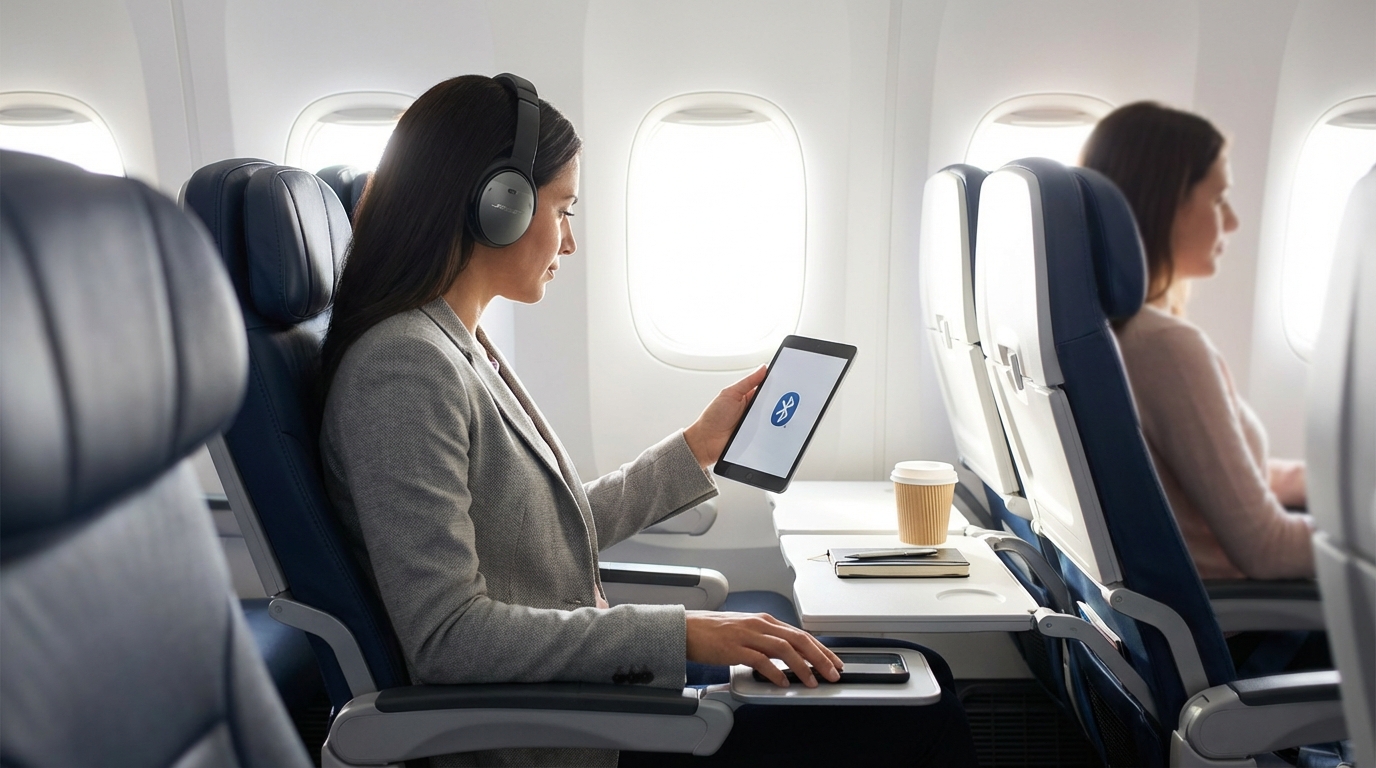
Can You Use Bluetooth on a Plane?
Yes, you can use Bluetooth on most flights. The FAA allows Bluetooth devices like wireless headphones and keyboards during all phases of flight, including takeoff and landing, as long as your phone is in airplane mode.
First Class vs Business Class: What's the Difference?
First class and business class sound similar, but the gap between them ranges from almost nothing on domestic flights to a completely different universe on international routes. Here's what actually separates the two.

Flight Simulator For Pilots: How They Help
Flight simulators are one of the most important tools in aviation. They let pilots practice emergencies, master new aircraft, and maintain currency — all without ever leaving the ground. Here's how they work and why every pilot uses them.
How Do I Overcome Fear of Flying?
Up to 40% of Americans experience some flight anxiety. Here are the specific techniques, therapies, and strategies that actually work to overcome your fear of flying.
How Does WiFi Work on Planes?
Getting internet at 35,000 feet requires some impressive engineering. Here's how airlines beam WiFi to your seat, why it's sometimes painfully slow, and which carriers now offer it for free.
How Fast Do Planes Fly?
Most commercial jets cruise at 550 to 600 mph — about 80% of the speed of sound. Here's what determines how fast your plane is actually going and why speed in aviation is more complicated than you'd expect.
How To Not Get Sick On A Plane
The biggest risks on a plane aren't the recycled air — it's the surfaces you touch and the people around you. Wipe down your tray table, sit in a window seat, keep your air vent pointed at your face, and stay hydrated. These simple steps dramatically cut your chances of catching something.
How Safe Are Airplanes?
Flying is statistically the safest way to travel. The numbers aren't even close. Here's what the data actually says about airplane safety and why you can relax at 35,000 feet.
How to Avoid Getting Sick on a Plane
The dirtiest spots on a plane aren't where you'd expect. Tray tables, armrests, and aisle seats harbor the most germs. A window seat, sanitizing wipes, and keeping your hands away from your face are your best defenses.
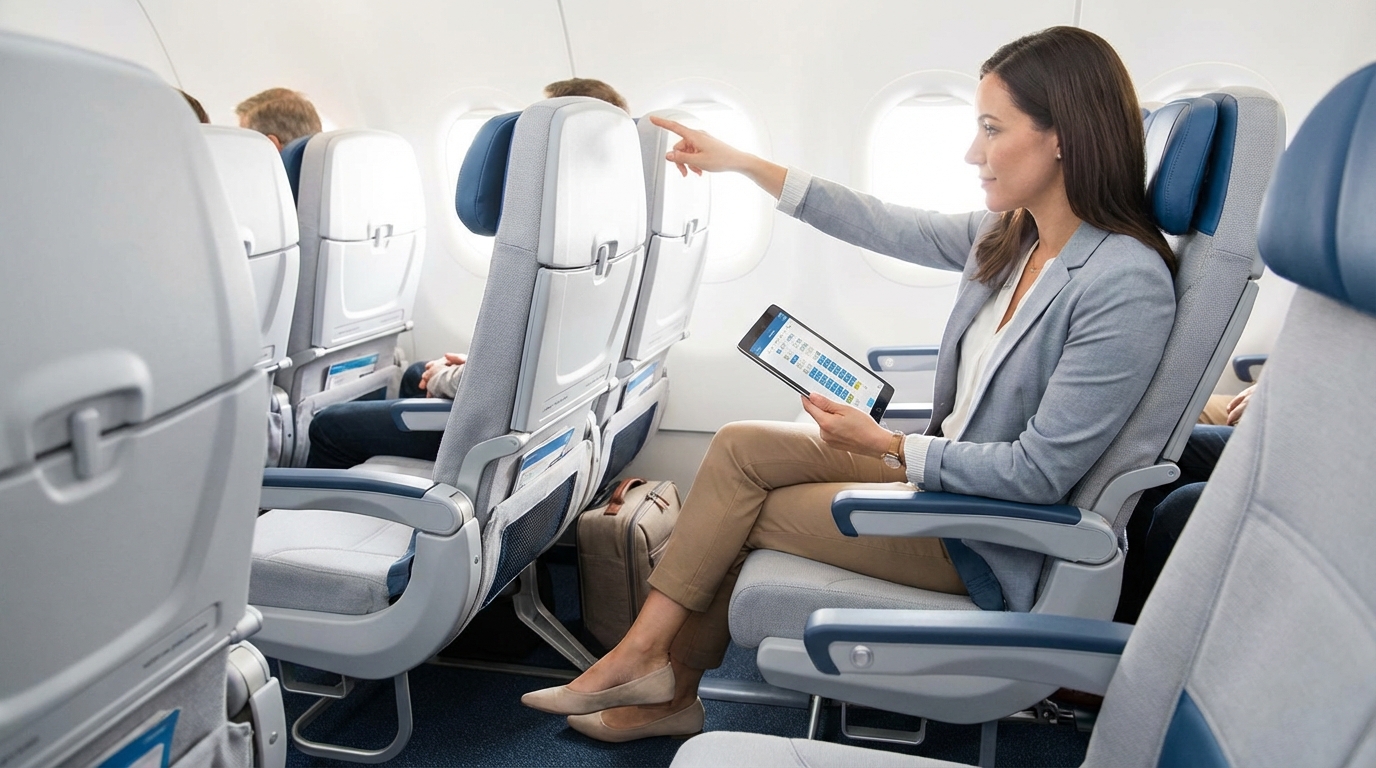
How to Choose the Best Airline Seat
The best seat on a plane depends entirely on what you need. Here's how to figure out what matters to you and find exactly the right spot.

How to Deal With Jet Lag
Jet lag isn't inevitable. With the right timing of light, sleep, and melatonin, you can cut your recovery time in half or skip the worst of it entirely.
How to Entertain Kids on a Plane
The secret to entertaining kids on planes isn't one big activity -- it's many small ones. Pack a variety of lightweight, quiet activities and rotate them every 15-20 minutes. New surprises every half hour keep even toddlers manageable.

How to Get Upgraded on a Flight
Free upgrades aren't dead, but they're not random either. The passengers getting bumped to business class are doing specific things you probably aren't.
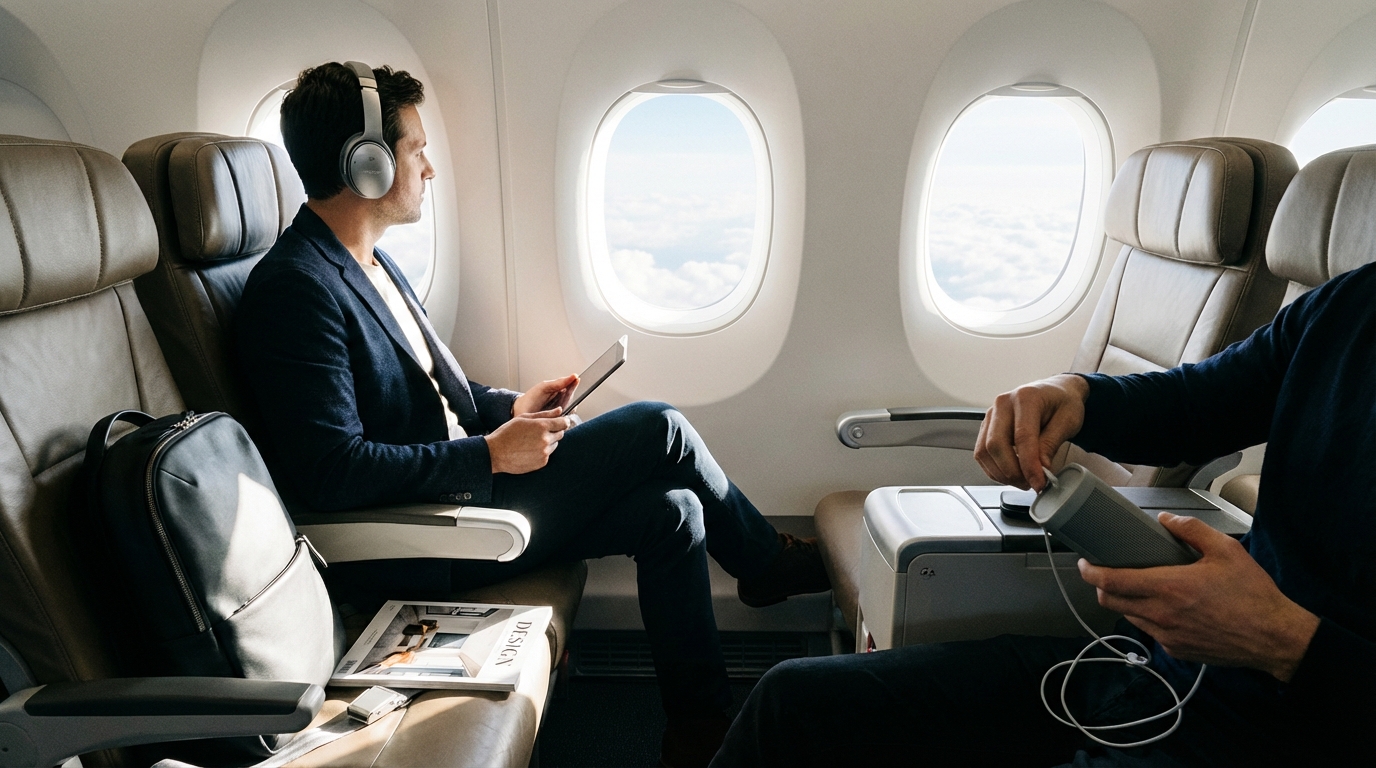
How To Listen To Music On A Plane
You've got several options: download music to your phone for offline playback, use Bluetooth headphones in airplane mode, stream over in-flight WiFi, or plug wired headphones into the seatback entertainment system. Here's everything you need to know.
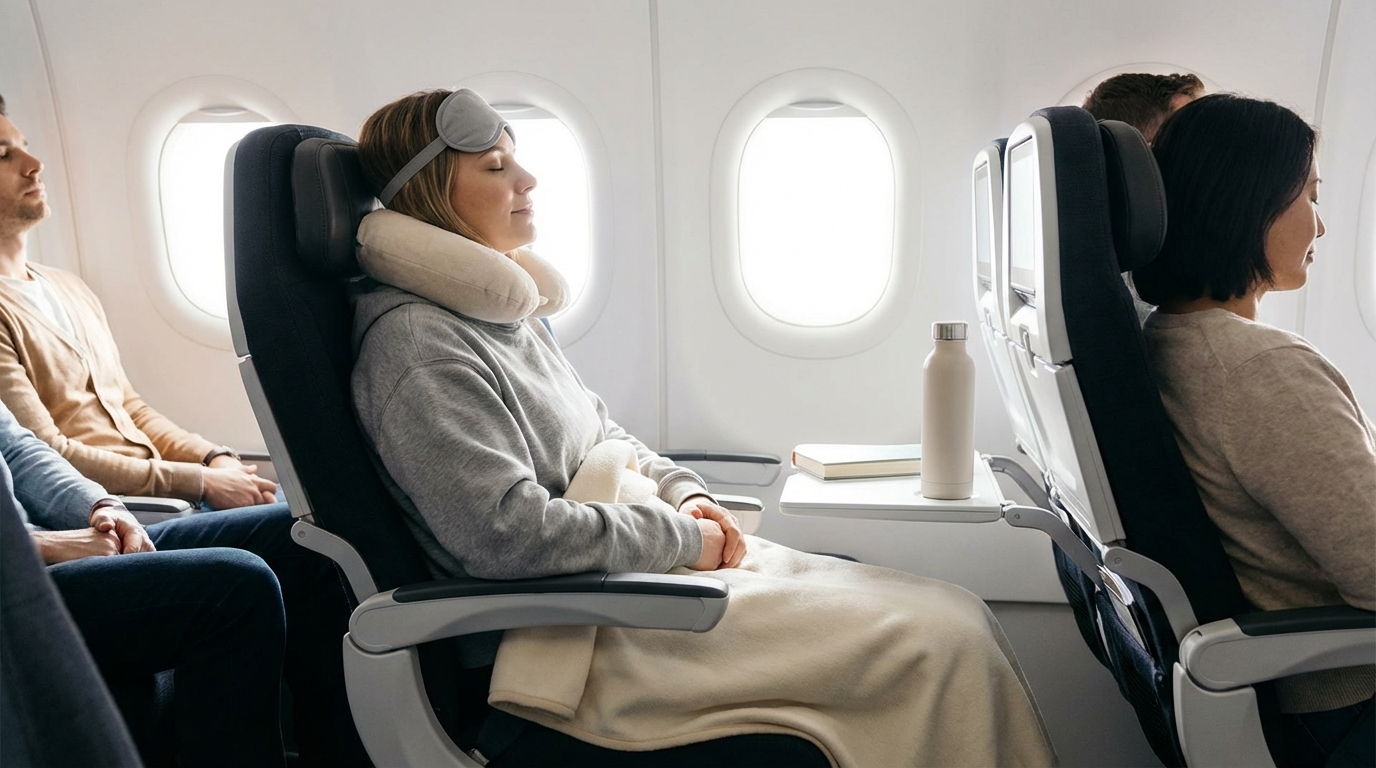
How to Sleep on a Plane
Sleeping on a plane isn't about luck. It's about preparation, the right gear, and a few smart choices that stack the odds in your favor.
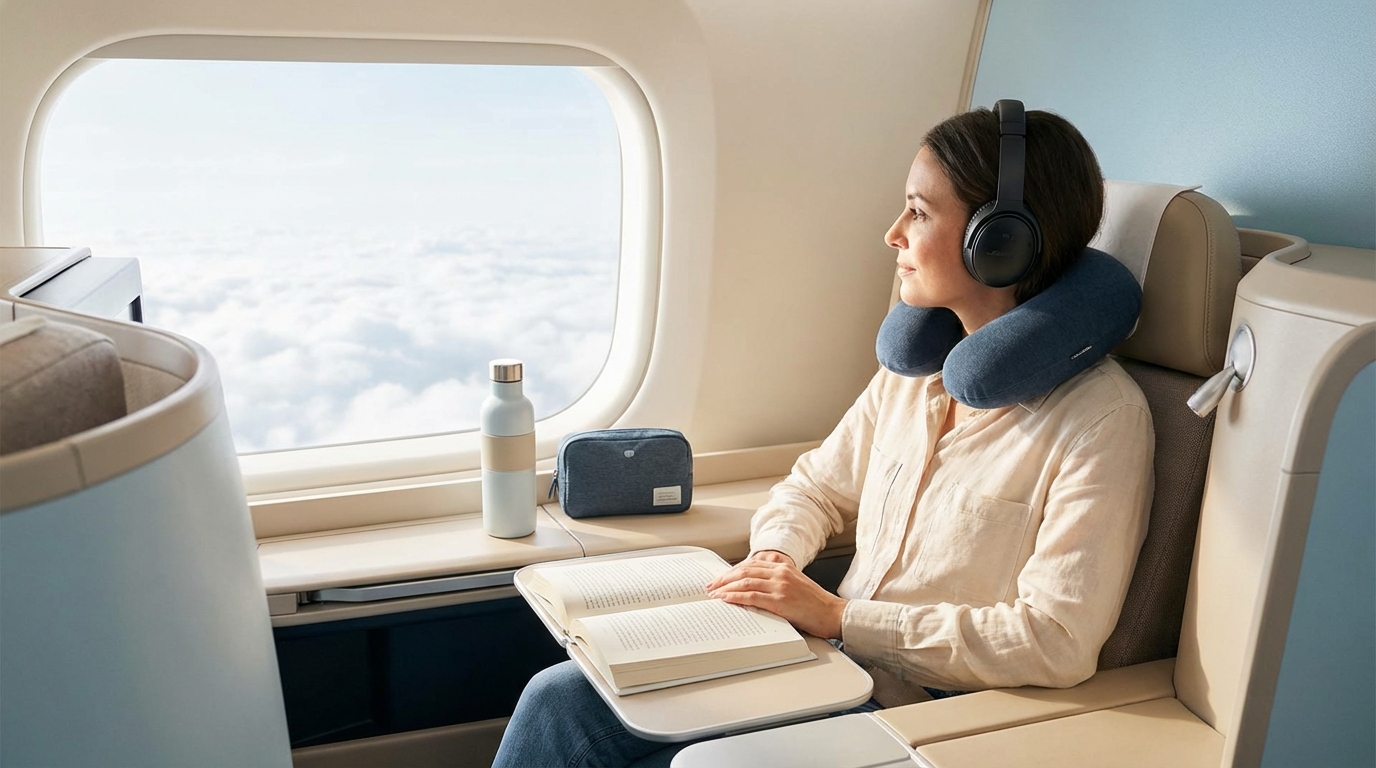
How to Survive a Long-Haul Flight
Long-haul flights don't have to be miserable. With the right preparation, gear, and habits, you can step off a 14-hour flight feeling surprisingly functional.
How to Track a Flight in Real Time
You don't need to stare at an arrivals board anymore. Here's how to track any flight in real time using free tools, apps, and a few tricks most people don't know about.
Is Flying Safe? The Real Statistics
Yes, flying is extraordinarily safe. With one fatal accident per 5.6 million flights, commercial aviation is far safer than driving, trains, or buses. Here are the real numbers.
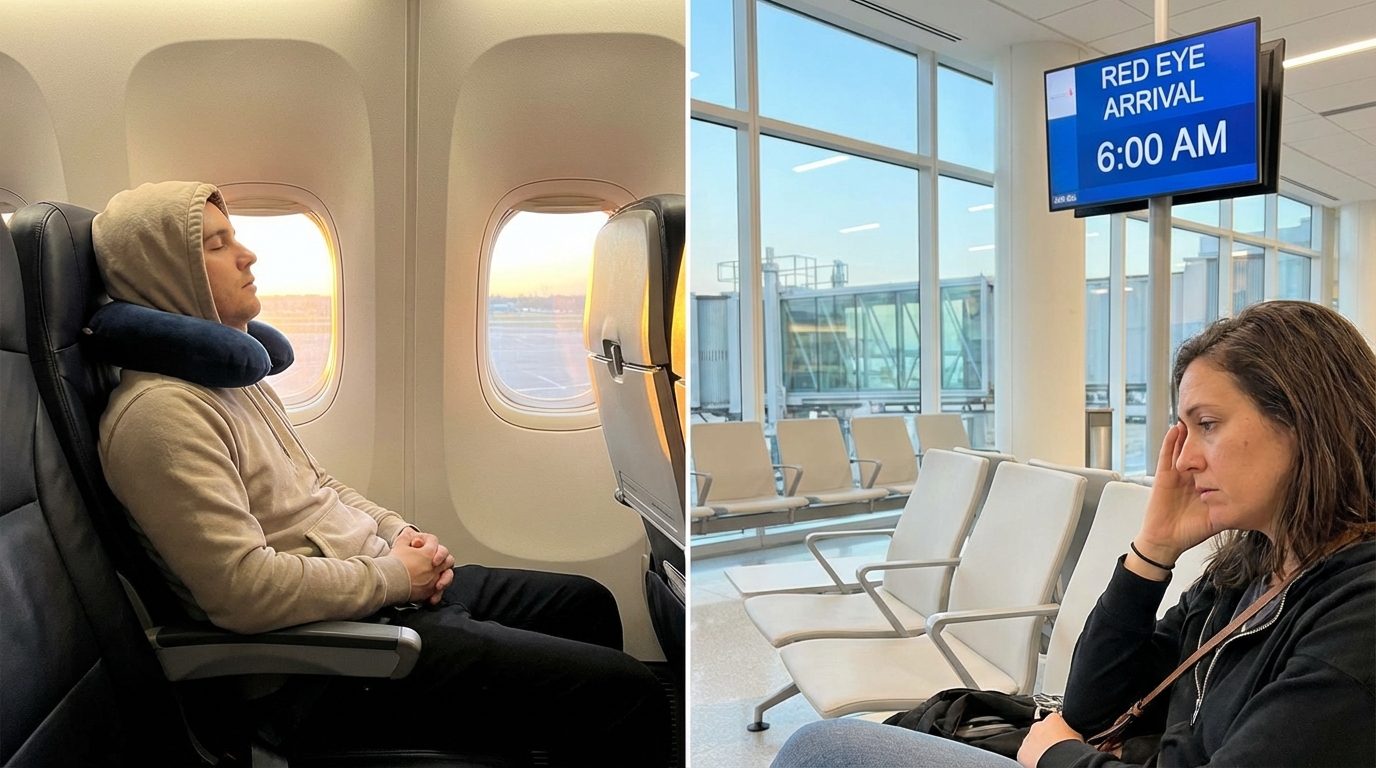
Red Eye Flights: Pros and Cons
Red-eye flights are cheaper, less crowded, and save you a day of travel. But the sleep deprivation is real, and it can wreck your first day at the destination. Here's how to decide if it's worth it.
Tips for Flying After Surgery
Flying too soon after surgery can be dangerous. Here's how long to wait for each type of procedure, how to prevent blood clots, and what to pack.
Tips for Flying While Pregnant
Flying while pregnant is generally safe through week 36, with the second trimester being the sweet spot. Most U.S. airlines don't restrict pregnant passengers until the final weeks. The biggest concerns are DVT risk, dehydration, and knowing each airline's specific cutoff policy.
Tips for Flying With a Broken Arm
You can fly with a broken arm, but timing matters. If your cast is less than 48 hours old, it may need to be split before you board. Here's everything you need to know.
Tips for Flying With a Broken Leg or Cast
Flying with a broken leg or cast takes some planning, but it's absolutely doable. Here's the deal on airline rules, extra seats, and getting through the airport.
Tips for Flying With a Pacemaker
Flying with a pacemaker is perfectly safe. Modern pacemakers aren't affected by cabin pressure or altitude. The main thing to navigate is airport security, and that's easier than you'd think.
Tips for Flying With Anxiety
Flying with anxiety is manageable with the right strategies. The key is preparation, not avoidance. Breathing techniques, strategic seat selection, distraction tools, and professional support can transform a dreaded flight into something tolerable — even routine.
Tips for Flying With Back Pain
Flying with back pain doesn't have to be miserable. Strategic seat selection, proper lumbar support, regular movement every 30-45 minutes, and the right in-seat stretches can make even long-haul flights manageable. Here's your complete game plan.
Tips for Flying With Claustrophobia
Claustrophobia on a plane is manageable with the right preparation. Here's how to pick the best seat, calm your nerves, and actually enjoy your flight.
Tips for Flying With Diabetes
Flying with diabetes is completely doable with the right prep. TSA allows insulin, syringes, and all diabetes supplies through security — even liquids over 3.4 oz. The key is packing smart, knowing your rights, and planning for time zone changes.
Tips for Flying With DVT or Blood Clot Risk
Flying with DVT risk is manageable with the right preparation. Compression stockings, movement, hydration, and an aisle seat are your best defenses against blood clots on long flights.
Tips for Flying With Food Allergies
Flying with food allergies takes preparation, but it's completely manageable. Here's how to handle airline notifications, carry your EpiPen through security, and minimize exposure at 35,000 feet.
Tips for Flying With Hearing Aids
Hearing aids are completely fine on planes. Here's how to handle security, protect your devices, and make sure you don't miss important announcements.
Tips for Flying With IBS
Flying with IBS is stressful, but a good game plan makes it manageable. The right seat, smart food choices, and a well-stocked carry-on are your best friends.
Tips for Flying With Vertigo
Flying with vertigo takes planning, but it's absolutely doable. The right seat, pressure management, and sensory strategies can make all the difference.
How To Watch Movies On A Plane
You've got three main ways to watch movies on a plane: the airline's seatback entertainment system, downloading content to your device before you fly, or streaming over in-flight WiFi. The smartest move? Download everything before you leave home.
What Are the Odds of a Plane Crash?
The odds of dying in a commercial plane crash are roughly 1 in 11 million. Here's a detailed breakdown of the real statistics, what counts as a 'crash,' and why the numbers are so reassuring.
What Happens If Both Pilots Are Incapacitated?
Both pilots incapacitated at once is extraordinarily rare — airlines have multiple safeguards to prevent it. But if it happened, here's what the backup plan looks like.
What Happens If Lightning Strikes a Plane?
Lightning strikes commercial planes roughly once or twice a year per aircraft. Passengers might see a flash and hear a bang, but the plane keeps flying. Here's why it's a non-event.
What Happens If Someone Dies on a Plane?
It's rare, but it does happen. Here's the full protocol airlines follow when a passenger dies mid-flight, from resuscitation attempts to what happens after landing.
What Happens If the Plane Door Opens Mid-Flight?
The short answer: at cruising altitude, you physically cannot open a plane door. The pressure differential creates thousands of pounds of force holding it shut. Here's exactly why.
What Happens If There Is a Bomb Threat on a Plane?
When a bomb threat is received on a plane, the crew follows strict federal protocols: the captain is notified immediately, the aircraft diverts to the nearest airport, and law enforcement meets the plane on the ground. Making a false threat is a federal crime with up to 5 years in prison.
What Happens During a Medical Emergency on a Plane?
Medical emergencies happen on about 1 in every 604 flights. Here's exactly what the crew does, what equipment is on board, who makes the call to divert, and what it all means for you.
What Happens If You Fall Asleep and Miss Your Stop on a Plane?
If you fall asleep at the gate and miss your connecting flight, the airline will typically rebook you on the next available flight. But if you're on a nonstop flight, you can't actually miss your stop — the plane lands whether you're awake or not.
What Happens If You Get Caught Smoking on a Plane?
Smoking on a plane will cost you at minimum $4,000 in FAA fines. At maximum? Arrest, federal charges, and a lifetime airline ban. Here's the full breakdown of what happens.
What Happens If You Get Sick on a Plane?
Getting sick at 35,000 feet is more common than you think. Here's what the crew will do, what medical equipment is on board, and what triggers an emergency landing.
What Happens If You Have a Panic Attack on a Plane?
Panic attacks on planes are more common than you think and they won't cause the flight to divert. Here's what actually happens, how the crew helps, and proven techniques to get through it.
What Happens If You Refuse to Turn Off Your Phone on a Plane?
Forgetting to switch to airplane mode? No big deal. Actively refusing a crew member's instruction to put your phone away? That's where things get serious — and expensive.
What Happens If You Vape on a Plane?
Vaping on a plane is a federal offense that can result in fines up to $4,000, arrest, airline bans, and even criminal charges. It's not worth the risk -- here's exactly what happens if you get caught.
What Happens If Your Plane Has to Make an Emergency Landing?
Emergency landings sound terrifying, but they're well-rehearsed procedures with very high survival rates. Here's exactly what happens from cockpit to cabin to ground.
What Is the Safest Seat on a Plane?
Crash data shows rear seats have a 32% fatality rate compared to 38% up front. But the FAA says there's no definitively safest seat. Here's what the studies actually found and what matters more than your seat assignment.
What Is Turbulence and Is It Dangerous?
Turbulence feels terrifying but almost never puts the plane at risk. Here's what's actually happening when your flight gets bumpy, the different types of turbulence, and what pilots and data say about the danger.
Why Do Ears Pop on a Plane?
Your ears pop on a plane because of rapid changes in cabin pressure during takeoff and landing. Here's exactly what's happening inside your head and how to prevent the discomfort.
Why Do Planes Fly So High?
Commercial jets cruise between 30,000 and 42,000 feet for very good reasons. It's not arbitrary — that altitude is the sweet spot for fuel efficiency, smooth flying, and safety.
Window Seat vs Aisle Seat: Pros and Cons
The window vs aisle debate is one of the oldest in air travel. The right answer depends on your flight length, bladder, sleep habits, and what you actually care about. Here's the honest breakdown.