Can I Get Medication for Flight Anxiety?
Quick Answer
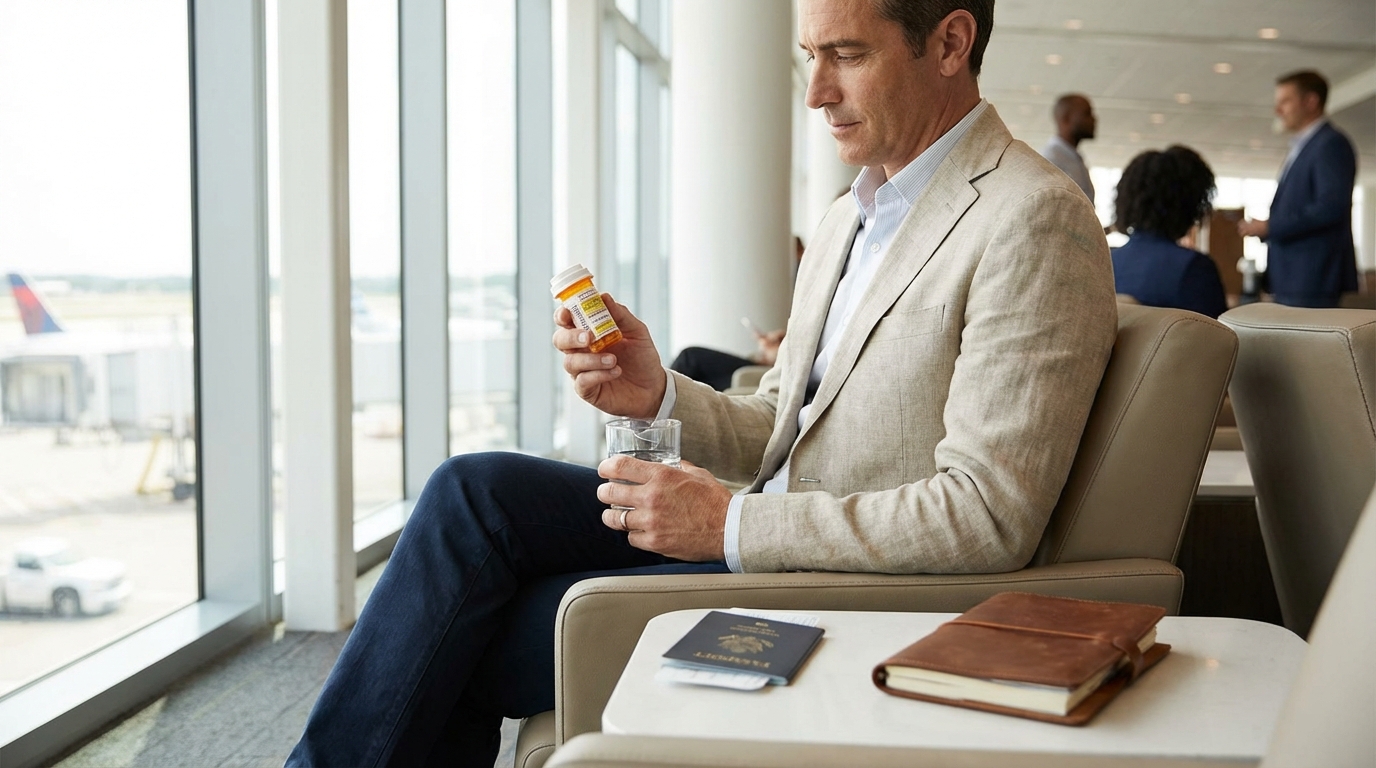
Yes, your doctor can prescribe medication for flight anxiety. Options range from non-addictive antihistamines like hydroxyzine to benzodiazepines like Xanax. Here's what each one does, the pros and cons, and how to talk to your doctor about it.
The Short Answer
Yes, you can get prescription medication for flight anxiety. Your primary care doctor or a psychiatrist can prescribe something. The most common options are hydroxyzine (a non-addictive antihistamine), benzodiazepines like alprazolam (Xanax) or diazepam (Valium), and sometimes beta-blockers or SSRIs. Make an appointment at least two weeks before your flight — don't wait until the last minute.
Your Main Medication Options
Hydroxyzine (Vistaril/Atarax)
This is increasingly the first choice doctors recommend for flight anxiety, and for good reason.
What it is: An antihistamine that's FDA-approved for anxiety. It works by blocking histamine receptors in the brain, which creates a calming effect.
Pros:
- Not addictive — no risk of dependence
- Not a controlled substance, so easier to prescribe
- No rebound anxiety (you won't feel worse after it wears off)
- Can be taken as needed
- If anticipatory anxiety starts days before your flight, you can take it in advance
Cons:
- Takes 15-60 minutes to kick in, with peak effect at around 2 hours
- Causes drowsiness (which can actually be helpful on a flight)
- Dry mouth is common
- May become less effective with regular use (tolerance builds)
- Not as fast-acting or powerful as benzodiazepines for acute panic
Typical dose: 25-50mg taken about an hour before the flight.
Benzodiazepines (Xanax, Valium, Ativan)
These are the heavy hitters. They work fast and work well, but come with significant caveats.
What they are: Controlled substances that enhance GABA activity in the brain, producing rapid sedation and anxiety relief.
Pros:
- Very fast-acting — Xanax can start working in 5-10 minutes
- Highly effective for acute, severe anxiety
- Well-studied for situational anxiety
Cons:
- Risk of dependence and addiction, even with prescribed use
- Rebound anxiety — research shows alprazolam may actually increase anxiety during subsequent flights, making the fear worse long-term
- Impairs coordination and judgment (important during an emergency evacuation)
- Memory impairment — you might not remember parts of the flight
- Dangerous when combined with alcohol (respiratory depression risk)
- Controlled substance, so some doctors are reluctant to prescribe
- Can make you so drowsy you can't respond appropriately in an emergency
Typical dose: Alprazolam 0.25-0.5mg or diazepam 2-5mg, taken 30-60 minutes before the flight.
Beta-Blockers (Propranolol)
A lesser-known but smart option for the physical symptoms of anxiety.
What they are: Heart/blood pressure medications that block the physical effects of adrenaline. Originally designed for heart conditions, but widely used off-label for performance anxiety and situational stress.
Pros:
- Targets the physical symptoms — racing heart, shaking hands, sweating
- Doesn't sedate you or impair your thinking
- Not addictive
- You stay mentally sharp while your body calms down
Cons:
- Doesn't address the mental/emotional component of anxiety as directly
- Can lower blood pressure (an issue at altitude for some people)
- Not appropriate if you have asthma, very low blood pressure, or certain heart conditions
- Less effective for severe panic than benzodiazepines
Typical dose: 10-40mg taken about an hour before the flight.
SSRIs/SNRIs (Lexapro, Zoloft, Effexor)
These are daily medications, not take-as-needed options.
What they are: Antidepressants that also treat anxiety disorders by regulating serotonin levels.
Pros:
- Effective for underlying anxiety disorders
- Reduce overall anxiety baseline, making flights less triggering
- Well-studied with strong evidence base
Cons:
- Must be taken daily for weeks before they work — you can't pop one before a flight
- Only makes sense if you have broader anxiety issues, not just flight-specific fear
- Side effects during the adjustment period (nausea, sleep changes, etc.)
Over-the-Counter Options
If you'd rather not see a doctor, some OTC options can take the edge off:
- Dramamine (dimenhydrinate): An antihistamine for motion sickness that causes drowsiness. Some people find the sedative effect calming. Won't do much for severe anxiety, but it helps with mild nerves and any motion sensitivity.
- Benadryl (diphenhydramine): Another antihistamine that causes drowsiness. Similar to Dramamine in effect. Not specifically an anxiety medication, but the sedation can help.
- Melatonin: A sleep supplement, not an anti-anxiety medication. But if your strategy is to sleep through the flight, it can help you drift off.
Important: even OTC medications can interact with other drugs and have side effects. Read the labels and talk to a pharmacist if you take any other medications.
How to Talk to Your Doctor
Don't be embarrassed. Doctors hear about flight anxiety constantly — it affects up to 40% of Americans. Here's how to approach the conversation:
- Be specific about your symptoms — racing heart, panic attacks, inability to board the plane, weeks of dread before the flight
- Mention your travel timeline — when you're flying, how often you need to fly
- Ask about non-medication options too — a good doctor will mention therapy alongside medication
- Request a trial run — take the medication at home first so you know how it affects you before you're on a plane
- Discuss your history — mention any substance abuse history, other medications, or health conditions
Most doctors will start with hydroxyzine or a beta-blocker rather than benzodiazepines, especially if you don't have a history of severe panic disorder. That's appropriate — the lower-risk options work well for many people.
Telehealth Options
You don't necessarily need an in-person appointment. Many telehealth platforms can prescribe flight anxiety medication after a virtual consultation. This is particularly convenient if you're a generally healthy person who just needs help with situational flying anxiety.
A few things to know about the telehealth route: most platforms won't prescribe benzodiazepines via telehealth due to controlled substance regulations. But hydroxyzine, beta-blockers, and SSRIs can typically be prescribed during a virtual visit. The appointment itself usually takes 15-20 minutes, and the prescription can be sent to your local pharmacy electronically.
If you need a benzodiazepine specifically, you'll likely need to see a doctor in person. Some states have stricter rules about prescribing controlled substances, so check the regulations where you live.
Natural and Non-Medication Alternatives
If you're hesitant about medication, there are evidence-based alternatives worth trying:
- CBD: Some travelers report that CBD products help with flight anxiety. The evidence is still developing, but some studies suggest it may have anti-anxiety properties. Be aware that TSA allows hemp-derived CBD with less than 0.3% THC, but laws vary by state and internationally. Don't fly internationally with CBD unless you've confirmed it's legal at your destination.
- Breathing exercises: The 4-4-4 breathing method (inhale 4 counts, hold 4, exhale 4) activates your parasympathetic nervous system and can physically reduce anxiety symptoms. It's free, has no side effects, and works in minutes.
- Progressive muscle relaxation: Systematically tensing and releasing muscle groups from toes to head. Takes 10 minutes and genuinely reduces physical anxiety symptoms.
- Aromatherapy: Lavender essential oil has some research backing for anxiety reduction. A small roller bottle or scented hand lotion is easy to bring on a plane and can provide a calming sensory anchor.
The Important Caveat
Medication manages symptoms. It doesn't cure fear of flying. If you fly regularly and dread every trip, medication is a band-aid, not a solution. Cognitive behavioral therapy (CBT) and exposure therapy have success rates above 90% for fear of flying — and the results are permanent.
The ideal approach for most people: use medication to get through flights in the short term while working with a therapist on the underlying fear. Once therapy takes effect, most people don't need the medication anymore.
Critical Safety Rules
- Never combine sedative medications with alcohol. This is not optional advice. Mixing benzodiazepines or antihistamines with alcohol can cause respiratory depression, extreme sedation, and in rare cases, death. Don't drink on the flight if you've taken medication.
- Always do a test run at home first. You need to know how a medication affects you before you're trapped in a metal tube at 35,000 feet. Some people have paradoxical reactions (the opposite effect).
- Don't take someone else's prescription. What works for your friend might be dangerous for you based on your weight, other medications, and medical history.
- Keep your medication in your carry-on. If your checked bag gets lost, you don't want your anxiety medication in it.
Frequently Asked Questions
What is the best medication for fear of flying?
Hydroxyzine is increasingly the first-choice prescription because it's effective, non-addictive, and doesn't carry dependence risks. For severe panic, benzodiazepines like Xanax work faster but come with addiction risk and rebound anxiety. Your doctor will recommend the best option based on your specific situation.
Can I get anti-anxiety medication without seeing a doctor?
Prescription medications like hydroxyzine, Xanax, and propranolol require a doctor's prescription. Over-the-counter options like Dramamine or Benadryl can provide mild sedation but aren't true anti-anxiety medications. For genuine flight anxiety, see your doctor.
How far in advance should I take medication before a flight?
It depends on the medication. Xanax works in 5-10 minutes. Hydroxyzine takes 15-60 minutes with peak effect at 2 hours. Beta-blockers like propranolol take about an hour. Your doctor will give you specific timing instructions.
Can I drink alcohol with flight anxiety medication?
No. Combining alcohol with benzodiazepines or antihistamines like hydroxyzine can cause dangerous respiratory depression, extreme sedation, and impaired coordination. This is a serious safety risk, not just a suggestion.
Will my doctor actually prescribe something for flight anxiety?
Most likely, yes. Flight anxiety is extremely common and well-understood. Doctors prescribe for it regularly. Be honest about your symptoms and travel needs. Many doctors prefer starting with hydroxyzine or beta-blockers before considering benzodiazepines.
Written by Aviation Experts
Aviation Professionals
With decades of combined experience in the aviation industry, our team shares insider knowledge to make your travel experience smoother and less stressful.
Was this article helpful?