Can You Bring A Water Bottle On A Plane?
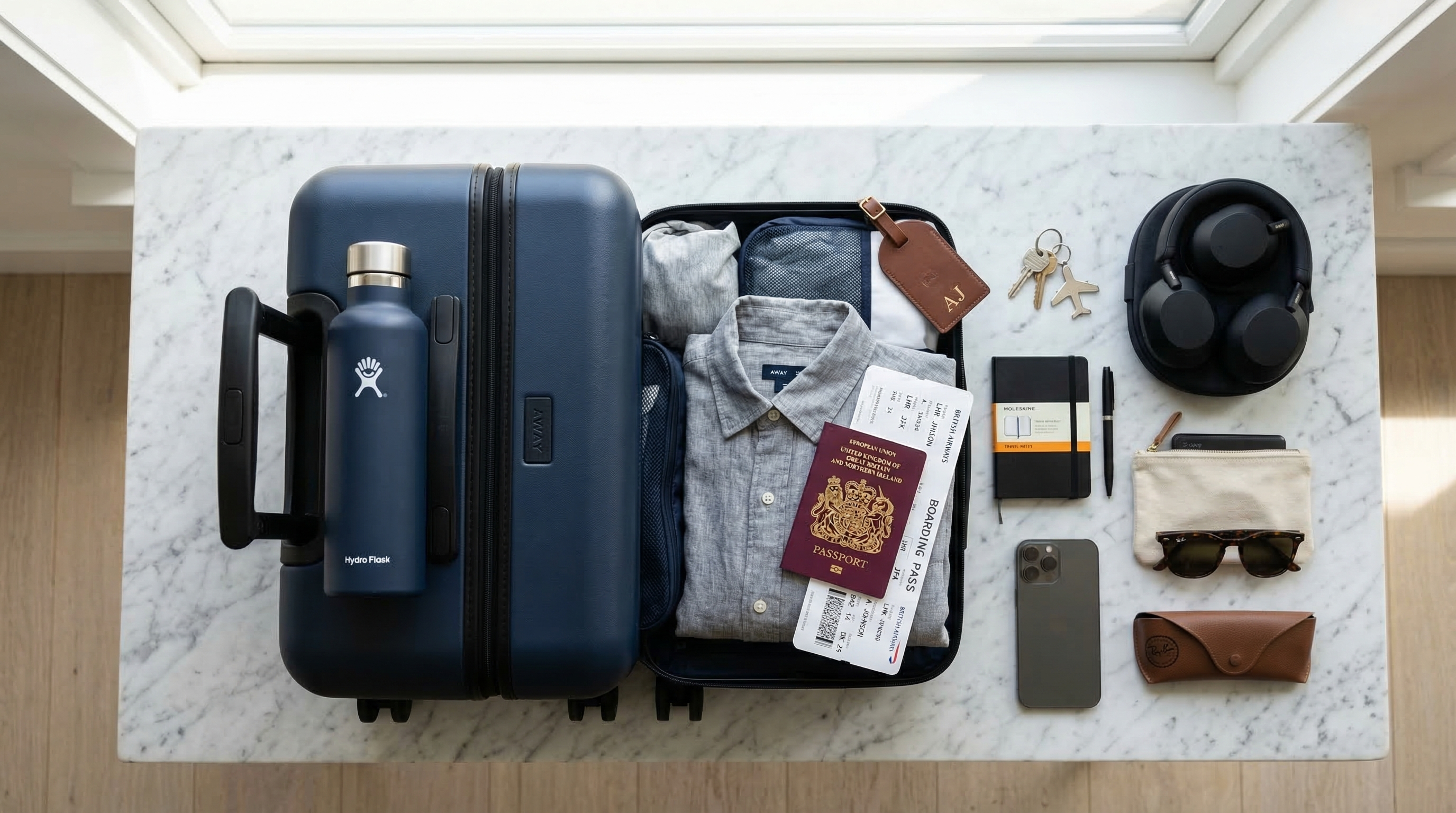
Quick Answer
Yes, you can bring an empty water bottle through TSA security and fill it up once you're past the checkpoint. A full water bottle won't make it through unless the liquid is frozen solid.
The Short Answer
You can absolutely bring a water bottle on a plane. The catch is it needs to be empty when you go through the TSA security checkpoint. Once you're on the other side, fill it up at any water fountain or bottle filling station in the terminal. Every major airport has them now.
If your bottle has water in it when you hit the X-ray belt, you'll be asked to either dump it, drink it, or surrender it. No exceptions. It doesn't matter if it's a $50 Hydro Flask or a disposable plastic bottle from the gas station.
Why Can't You Bring a Full Water Bottle Through Security?
This goes back to the TSA's 3-1-1 liquids rule. All liquids, gels, and aerosols in your carry-on must be in containers of 3.4 ounces (100 ml) or less, and they all need to fit in a single quart-sized clear bag. A standard water bottle holds 16 to 32 ounces, which blows right past that limit.
The rule has been in place since 2006 after a foiled terror plot involving liquid explosives. Love it or hate it, it's not going away anytime soon.
Best Types of Water Bottles for Flying
Not all water bottles are created equal for air travel. Here's what works best:
- Collapsible bottles - These fold flat when empty, saving space in your bag. Brands like Vapur and HydraPak are popular with frequent flyers.
- Insulated bottles - A double-walled bottle like a Hydro Flask or Yeti keeps your water cold for hours on the plane. Worth the extra weight.
- Bottles with built-in filters - If you're picky about water quality or traveling internationally, a filtered bottle like LifeStraw or Brita is solid insurance.
- Lightweight plastic bottles - A basic Nalgene is cheap, durable, and see-through, which can speed up screening.
Avoid bottles with overly complicated lids or hidden compartments. They can trigger additional screening if TSA agents can't quickly figure out what they're looking at on the X-ray.
Where to Fill Up After Security
Almost every US airport now has water bottle filling stations. They're usually near the restrooms and regular drinking fountains. Look for the stations with the tall spout designed specifically for bottles.
A few tips for filling up:
- Some airports have filtered water stations that taste noticeably better than the regular fountain.
- If you can't find a filling station, any restaurant or coffee shop past security will fill your bottle with tap water if you ask nicely.
- Some airline lounges have still and sparkling water dispensers available to members and guests.
The Frozen Water Loophole
Here's something most travelers don't know: you can bring a frozen water bottle through TSA. If the water is completely frozen solid at the time of screening, it's allowed. The TSA considers ice a solid, not a liquid.
The key word here is completely. If there's any liquid water sloshing around in there, even a little bit at the bottom, it gets treated as a liquid and won't pass. This means you'd need to freeze the bottle well in advance (overnight is best) and keep it frozen until you reach the checkpoint. Packing it in an insulated bag with ice packs can help.
Realistically, this trick works best for early morning flights where you can pull the bottle straight from the freezer. For afternoon flights, it's going to start melting.
Buying Water After Security
If you don't want to deal with carrying a reusable bottle, you can always buy water once you're past security. But be prepared to pay airport prices, which typically run $3 to $6 for a basic bottle. At some airports, it's even higher.
A few ways to save money:
- Some airports have vending machines with slightly lower prices than the shops.
- If you have lounge access, stock up on free water bottles before your flight.
- Download the airport's app. A few airports have started showing which shops have the best prices on basics like water.
Can You Bring Water on International Flights?
The same basic rules apply for flights departing from international airports, though security procedures vary by country. Most countries follow similar liquid restrictions (the rule actually originated from international aviation security standards).
One thing to watch for on international trips: if you have a connecting flight that involves going through security again, you'll need to empty your bottle before that second checkpoint. This catches a lot of travelers off guard, especially on connections in Europe where you sometimes clear security between terminals.
Staying Hydrated on the Plane
Cabin air is incredibly dry, typically around 10-20% humidity, which is drier than the Sahara Desert. Dehydration can make jet lag worse and leave you feeling terrible after a long flight.
Here's how to stay ahead of it:
- Drink about 8 ounces of water for every hour of flight time.
- Start hydrating before you board, not after.
- Skip the alcohol and coffee if you're on a long flight. Both are diuretics and make dehydration worse.
- Don't rely on the flight attendants to keep your glass full. Bring your own supply so you can drink on your own schedule.
- On long-haul flights, filling a 32-ounce bottle before boarding is a game changer.
What About Other Beverages?
Everything that applies to water applies to other drinks too. Coffee, juice, smoothies, soda – they all fall under the 3-1-1 rule. You can't bring a full Starbucks through security, but you can buy one on the other side and bring it on the plane.
One exception: if you're traveling with an infant, you can bring breast milk, formula, and juice in reasonable quantities exceeding 3.4 ounces. Just declare it to the TSA officer before screening begins.
Pro Tips From Frequent Flyers
- Keep your empty bottle in an easily accessible spot in your bag so you're not digging around at the belt.
- If you forget to empty your bottle, don't panic. Just pour it out in the trash can area near the checkpoint. There's usually a spot for exactly this.
- Some TSA PreCheck and Clear lanes have water dump stations right at the entrance.
- A bottle with a carabiner clip is handy for attaching to your bag when your hands are full at the gate.
- Fill up after you've reached your gate, not right after security. You might have a long walk ahead of you.
Frequently Asked Questions
Can I bring an empty water bottle through TSA?
Yes, empty water bottles are allowed through TSA security with no restrictions. Just make sure it's completely empty when it goes through the X-ray. You can fill it at any water fountain or bottle filling station once you're past the checkpoint.
Can I bring a full water bottle on a plane if I bought it after security?
Yes. Any beverage you purchase inside the terminal after clearing security can be brought onto the plane. There's no limit on the size or quantity.
Do insulated water bottles cause problems at TSA?
Insulated bottles sometimes get a second look on the X-ray because the double-wall construction can obscure what's inside. Just make sure the bottle is empty, and be prepared for a quick manual inspection if the agent wants to take a closer look.
Written by Aviation Experts
Aviation Professionals
With decades of combined experience in the aviation industry, our team shares insider knowledge to make your travel experience smoother and less stressful.
Was this article helpful?