Can You Bring a Hockey Stick on a Plane?
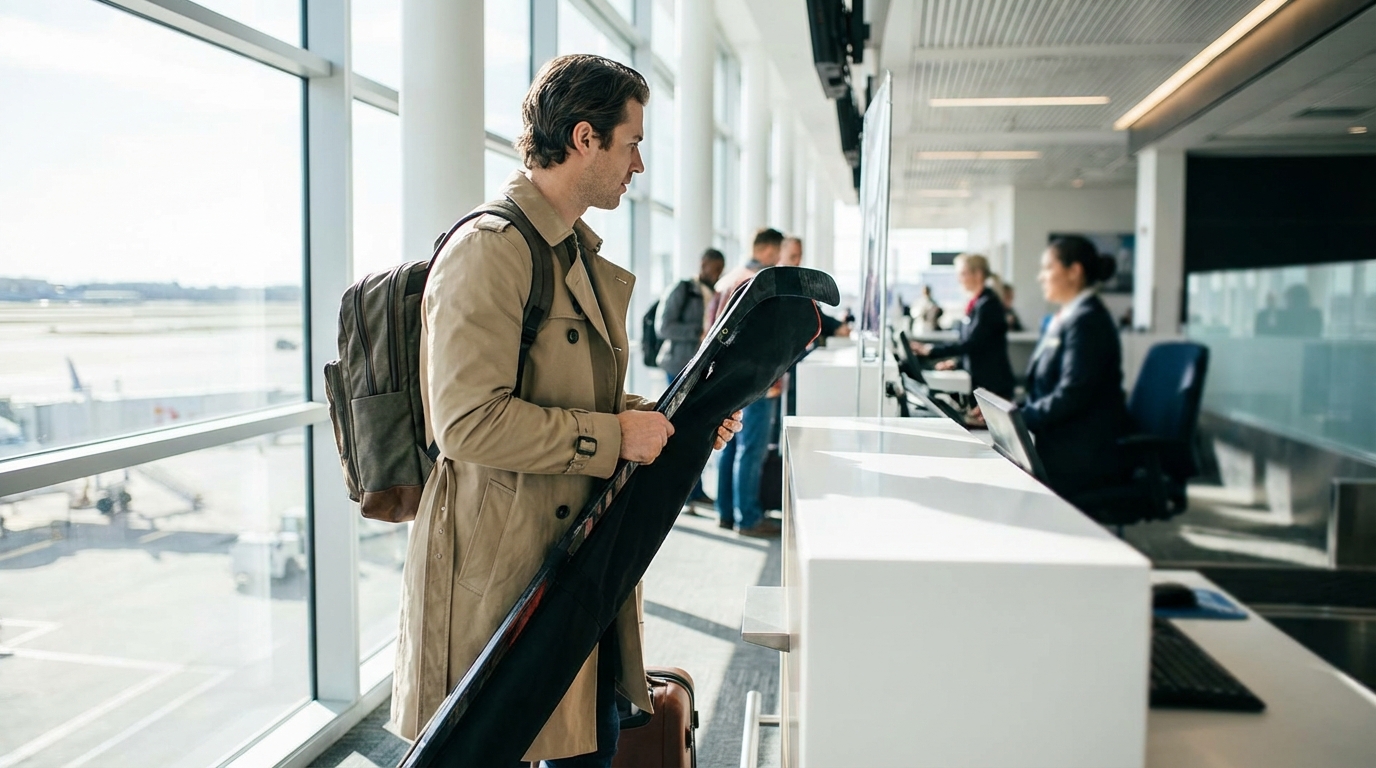
Quick Answer
No, you can't bring a hockey stick in your carry-on. TSA prohibits hockey sticks in the cabin because they can be used as a weapon. You'll need to check it as baggage, but most airlines make this straightforward.
The Short Answer
Hockey sticks are not allowed in carry-on bags. TSA classifies them as a potential weapon, so they must go in checked baggage. This applies to ice hockey sticks, field hockey sticks, street hockey sticks, and mini sticks that are full-length. No exceptions, no workarounds.
The good news? Checking hockey sticks is easy, and most airlines treat them as standard checked baggage without charging extra sport equipment fees.
TSA Rules for Hockey Sticks
TSA's official policy is clear: hockey sticks are prohibited in the cabin. They're listed alongside baseball bats, golf clubs, lacrosse sticks, and other sporting equipment that could be used as a blunt weapon.
Don't try to argue your way through security with one. The TSA officer has final say, and a hockey stick isn't making it past the checkpoint. If you show up at security with a hockey stick, you'll need to either check it at the ticket counter (if you have time and the airline allows late check-ins) or leave it behind.
How to Check a Hockey Stick
You have a few options for getting your stick on the plane as checked baggage:
Option 1: Hockey Stick Bag
A dedicated hockey stick bag is the best way to go. These are long, padded bags designed specifically for transporting sticks. Most hold two to four sticks. They protect the blades from getting damaged by baggage handlers and keep everything neat.
Good options include bags from CCM, Bauer, and Warrior. They run $25 to $60 and are worth every penny if you travel with your sticks regularly.
Option 2: Tape Them Together
If you don't have a stick bag, you can tape two sticks together (blade to blade) and check them as a single item. Most airlines accept this, though it offers zero protection against rough handling. Wrap the blades in bubble wrap or a towel before taping to protect the curves.
Option 3: Inside Your Hockey Bag
Some players put their sticks inside their hockey equipment bag. This works if your bag is long enough, but sticks often extend beyond the opening. Airlines generally allow sticks to protrude from a bag as long as the bag is zipped as far as it can go.
One rule to know: Airlines typically require sticks to be inside a bag or taped together. You usually can't tape sticks to the outside of your hockey bag. They need to travel inside the bag or as a separate bundled piece.
Airline-Specific Policies and Fees
Here's what the major airlines charge for hockey equipment:
Delta Air Lines
One hockey equipment item is defined as one equipment bag plus two sticks (taped together). This counts as one checked bag and follows standard checked bag fees. Overweight fees kick in if the total exceeds 50 lbs.
American Airlines
One bag of hockey sticks plus one equipment bag counts as one checked item. Standard checked bag fees apply up to 50 lbs and 126 inches (length + width + height). Over 50 lbs but under 70 lbs costs $150.
United Airlines
Hockey equipment is treated as standard checked baggage. Regular checked bag fees and weight limits apply. Oversize and overweight surcharges are the same as regular luggage.
Southwest Airlines
Two hockey sticks bundled together count as one checked bag. Southwest's big advantage is that your first two checked bags are free, so your sticks might fly at no extra cost. Oversize fees are waived for sports equipment, but overweight charges still apply.
Air Canada
If you're flying to or from Canada for hockey (and let's be honest, a lot of hockey travel involves Canada), Air Canada treats one hockey bag plus sticks as one checked item at standard bag fees.
Packing Your Hockey Gear for a Flight
Hockey equipment takes a beating in the cargo hold. Here's how to protect your gear:
- Wrap stick blades in bubble wrap, a towel, or blade guards. The curve and edge of the blade are the most vulnerable parts.
- Put skates in soakers and wrap them in clothing. Blade-to-blade contact can dull your edges fast.
- Stuff your helmet with socks, gloves, or a small towel to prevent it from getting crushed.
- Use your gear as padding. Pack softer items (gloves, shin guards, socks) around harder items (helmet, skates) so everything cushions everything else.
- Remove the battery from any heated gear before packing. Lithium batteries must go in your carry-on per TSA rules.
Weight Limits to Watch
A full hockey bag with pads, skates, helmet, and two sticks can easily weigh 40 to 60 pounds. That's right at or over the standard 50-pound checked bag limit on most airlines. Here's how to manage it:
- Weigh your bag at home before heading to the airport. A bathroom scale works. Stand on it holding the bag, then subtract your weight.
- Move heavy items like skates into your carry-on if you're close to the limit. Skates are TSA-approved for carry-on bags.
- Ditch old tape, extra pucks, and anything you don't need for the trip. Every pound counts when you're near the limit.
- Consider shipping your bag via services like ShipSticks or Luggage Free if the overweight fees exceed the shipping cost.
Can You Bring a Mini Stick in Your Carry-On?
This is a gray area. TSA's website specifically lists "hockey sticks" as prohibited in carry-on bags. Technically, a mini stick (the kind kids play with in hallways) is a hockey stick. In practice, TSA agents have discretion. Some might let a small plastic mini stick through; others won't.
If you're buying a souvenir mini stick at an arena and flying home, pack it in your checked bag to be safe. Don't risk having it confiscated at the checkpoint.
International Travel With Hockey Gear
If you're flying internationally for a tournament, the same general rules apply. Hockey sticks go in checked bags. But there are a few extra things to consider:
- Customs declarations. Some countries may ask about sporting equipment on your customs form. Declare it honestly.
- Different weight limits. International flights sometimes have different weight allowances (23 kg / 50 lbs is standard, but some carriers allow 30 kg / 66 lbs on certain routes).
- Connecting flights. If you have a connection on a different airline, check that airline's sports equipment policy too. Your bag transfers automatically, but fee structures can differ.
Shipping vs. Flying With Your Gear
For some trips, shipping your hockey bag makes more sense than checking it:
- Shipping costs: Services like ShipSticks typically charge $40 to $100+ depending on weight and distance. Compare this to your airline's checked bag fee plus any overweight surcharges.
- Convenience: Ship your bag a few days early and it's waiting at the rink or hotel when you arrive. No dragging it through the airport.
- Risk: Airlines lose or delay bags. Shipping services have their own tracking and insurance. Either way there's some risk, but spreading across two carriers (airline for you, shipper for gear) means you're not completely stuck if one fails.
Pro Tips for Flying With Hockey Equipment
- Check in online and get to the airport early. Oversized bags sometimes need to go to a special check-in counter.
- Take a photo of your gear before checking it. If anything is damaged or lost, you'll have proof of its condition.
- Put your name and phone number inside your hockey bag, not just on the airline tag. Tags fall off.
- If you're on a team trip, coordinate with teammates. Some airlines offer group baggage rates for sports teams.
- Consider a hard-shell hockey stick case if you're traveling with expensive composite sticks. A $300 stick deserves better than a garbage bag and tape.
Frequently Asked Questions
Can you carry a hockey stick on a plane in your carry-on?
No. TSA prohibits hockey sticks in carry-on bags because they can be used as a weapon. You must check them as baggage. This applies to ice hockey, field hockey, and street hockey sticks.
How much does it cost to fly with hockey sticks?
Most airlines treat hockey sticks as standard checked baggage, so you'll pay the normal checked bag fee (typically $30-$40 for the first bag). Your sticks plus one equipment bag usually count as a single checked item. Overweight fees apply if the total exceeds 50 lbs.
Can you bring hockey skates in your carry-on?
Yes, ice skates are allowed in carry-on bags according to TSA. Use soaker guards on the blades and pack them in a protective pouch to avoid cutting anything in your bag. That said, some travelers prefer to check them to avoid hassle at security.
Written by Aviation Experts
Aviation Professionals
With decades of combined experience in the aviation industry, our team shares insider knowledge to make your travel experience smoother and less stressful.
Was this article helpful?