Can You Leave the Airport During a Layover on a Domestic Flight?
Quick Answer
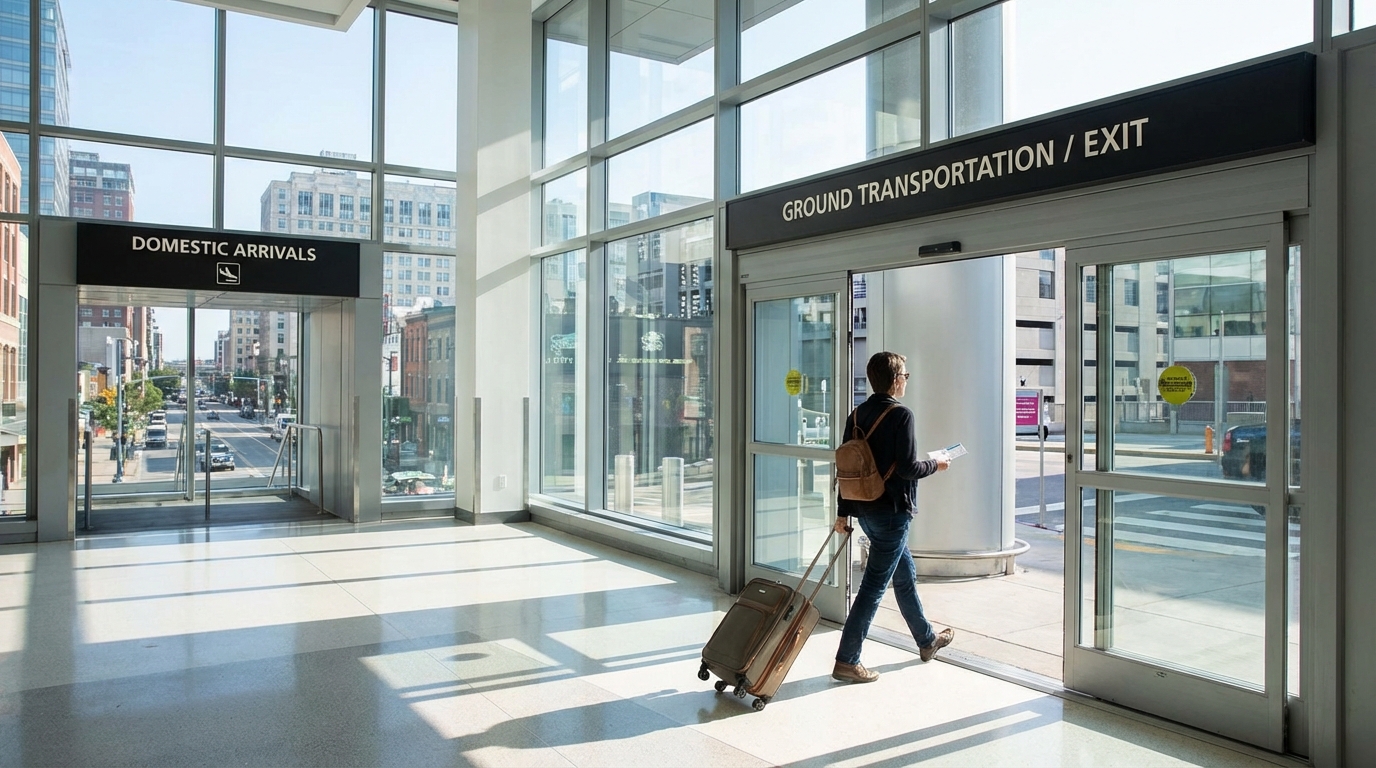
You're absolutely free to leave the airport during a domestic layover. There are no legal restrictions, no customs to clear, and no one checking whether you stay inside. But you need to plan it right, or you'll miss your next flight.
The Short Answer
Yes, you can leave the airport during a domestic layover. There's no rule, law, or airline policy stopping you. On a domestic flight, you've already cleared security once, and there's no immigration or customs process keeping you inside. You're free to walk right out the door.
The real question isn't whether you can leave — it's whether you should. That depends entirely on how much time you have and how far you want to go.
How Much Time Do You Actually Need?
Here's the math that matters. When you leave the airport, you'll need time for:
- Getting from your arrival gate to the airport exit (10-20 minutes at large airports)
- Transportation to wherever you're going
- Time at your destination
- Transportation back to the airport
- Going through TSA security again from scratch (15-45 minutes depending on the airport)
- Getting to your departure gate (10-20 minutes)
Minimum layover to leave comfortably: 4 hours. Anything less and you're cutting it dangerously close. Six hours or more gives you a real cushion to actually do something worthwhile.
A 2-hour layover? Stay in the airport. Grab food, stretch your legs, people-watch. It's not worth the stress of rushing back through security with minutes to spare.
The TSA Re-Screening Factor
This is the part people forget. When you leave the airport and come back, you go through the full TSA security process again. That means removing shoes, pulling out laptops, the whole routine. During peak hours at busy airports like ATL, ORD, or LAX, security lines can exceed 30 minutes even with TSA PreCheck.
Check your airport's current wait times on the TSA app or MyTSA website before you head out. This single factor can make or break your plan.
What Happens to Your Checked Bags?
Good news here. Your checked bags transfer automatically to your connecting flight. The airline handles this regardless of whether you're sitting in the terminal or exploring downtown. Your bags are tagged to your final destination when you check in, and they'll be loaded onto your next flight without any action from you.
The only scenario where this gets complicated is if you're on separate tickets — meaning you booked two independent one-way flights instead of a single itinerary with a connection. In that case, you'll need to collect your bags, leave the secure area, re-check them, and go through security again. That eats up significantly more time.
Best Airports for Leaving During a Layover
Some airports make it easy to get out and explore. Others are in the middle of nowhere.
Great for a Quick Trip Out
- DCA (Reagan National) — Metro takes you into Washington, D.C. in 15 minutes
- SAN (San Diego) — Downtown is a short trolley ride away
- MDW (Midway, Chicago) — Orange Line gets you to the Loop in 25 minutes
- PDX (Portland) — MAX light rail connects to downtown in 40 minutes
- MSP (Minneapolis) — Light rail to Mall of America in 12 minutes
Not Worth Leaving
- DEN (Denver) — 25+ miles from the city center
- IAD (Dulles) — Remote location, limited transit options
- DFW (Dallas/Fort Worth) — Massive airport complex far from both cities
Can the Airline Stop You From Leaving?
No. Airlines have no authority or interest in keeping you inside the airport during a layover. You're not under any obligation to stay. You bought a ticket for two flights, and as long as you show up at the gate before boarding closes, the airline doesn't care where you spent your layover.
That said, airlines won't wait for you if you're late. If the gate closes and you're still in an Uber heading back, your seat goes to a standby passenger and you're rebooking at your own expense.
Important Things to Consider
Gate Changes Happen
Gates can change while you're out exploring. Set up notifications through your airline's app so you get alerts about gate changes, delays, or — worst case — cancellations. The last thing you want is to come back to the airport and discover your flight left from a different terminal.
Carry-On Logistics
You'll be dragging your carry-on and personal item with you. Unless you want to lug a rolling bag through a museum or restaurant, pack light or use an airport locker service if available. Some airports have luggage storage options near baggage claim.
Weather and Traffic Can Ruin Your Plans
A 20-minute Uber ride back to the airport can turn into an hour during rush hour or bad weather. Always build in more buffer time than you think you need. If something goes wrong with transportation, you need a backup plan.
Your Boarding Pass Still Works
Keep your boarding pass for the connecting flight. You'll need it to get back through security. If you have a mobile boarding pass, make sure your phone is charged. TSA needs to see that boarding pass along with your ID.
What to Do With Your Layover Time
So you've got 6 hours and you're committed to leaving the airport. What's actually worth doing? Here are some ideas beyond the obvious tourist spots:
- Grab a real meal. Airport food is overpriced and underwhelming. A layover in a food city like Chicago, New Orleans, or Portland is a chance to eat something memorable instead of a $17 terminal sandwich.
- Get some exercise. After sitting on a plane, walking around a neighborhood or visiting a nearby park feels amazing. Some airports are near great walking areas — SAN is right next to the harbor, and DCA is a short walk from the National Mall.
- Visit a nearby attraction. The Smithsonian museums near DCA are free. The Mall of America is 12 minutes from MSP by light rail. Pike Place Market is 30 minutes from SEA by Link Light Rail.
- Take a shower. If you're on a long travel day, some airport-adjacent hotels sell day-use rooms or shower access. A hot shower during a layover can reset your energy for the next flight.
The key is choosing one activity and doing it well, rather than trying to cram in too much and spending your entire layover in transit.
Layover vs. Stopover: Know the Difference
A quick vocabulary note that matters for planning. A layover is typically under 24 hours — it's a connection between flights on the same trip. A stopover is 24 hours or longer and is essentially a planned pause in your journey.
Some airlines let you build a free stopover into your itinerary, giving you a full day or more in a connecting city at no extra cost. Icelandair is famous for this with their Reykjavik stopover program, and some domestic routings allow it too. If you're already looking at a long layover, check whether you can extend it into a proper stopover and turn it into a mini-vacation.
What About International Layovers?
International layovers are a completely different situation. If your layover is in a foreign country, you may need a transit visa just to leave the airport. Some countries — like the U.S. for international connections — require you to clear customs and immigration even if you're just connecting. Always research visa requirements before planning to leave an international airport.
But for domestic U.S. flights? No visas, no customs, no complications. Just time management.
A Step-by-Step Plan
If you've decided your layover is long enough to venture out, here's your checklist:
- Step 1: Confirm your layover is at least 4 hours (6+ is better)
- Step 2: Check TSA wait times at your layover airport
- Step 3: Set up flight alerts on your airline app
- Step 4: Research transportation options from the airport
- Step 5: Plan to be back at the airport at least 90 minutes before your next flight
- Step 6: Keep your boarding pass and ID accessible
- Step 7: Have a backup plan if transportation takes longer than expected
The Bottom Line
Leaving the airport during a domestic layover is perfectly fine and can turn dead time into a mini adventure. The key is being honest with yourself about how much time you have. Four hours minimum, six hours ideally, and always plan to be back at the airport earlier than you think you need to be. Your checked bags will be fine, your boarding pass still works, and no one at the airline will bat an eye. Just don't miss your flight.
Frequently Asked Questions
How long does a domestic layover need to be to leave the airport?
You need at least 4 hours to comfortably leave and return, though 6 hours or more is ideal. Factor in time to exit the airport, travel to your destination, travel back, go through TSA security again, and reach your departure gate. Anything under 3 hours is too risky.
Do I need to pick up my checked bags during a domestic layover?
No. If your flights are booked on a single itinerary, your checked bags transfer automatically to your connecting flight. You only need to reclaim bags if you booked separate tickets for each leg of your trip.
Will I have to go through TSA security again if I leave the airport?
Yes. When you exit the secure area and return, you'll go through the full TSA screening process again. Check current wait times on the TSA app before leaving, and budget at least 30-45 minutes for security during peak travel times.
Can the airline penalize me for leaving the airport during a layover?
No. Airlines have no policy against leaving the airport during a layover. As long as you're at the gate before boarding closes, the airline doesn't care where you spent your layover time. However, they won't hold the plane if you're late getting back.
What should I do if my gate changes while I'm outside the airport?
Download your airline's app and enable push notifications before leaving. You'll receive alerts about gate changes, delays, and cancellations in real time. Always check your updated gate information as soon as you return to the airport.
Written by Aviation Experts
Aviation Professionals
With decades of combined experience in the aviation industry, our team shares insider knowledge to make your travel experience smoother and less stressful.
Was this article helpful?